
Hair PRP Treatment in Kharghar, Navi Mumbai
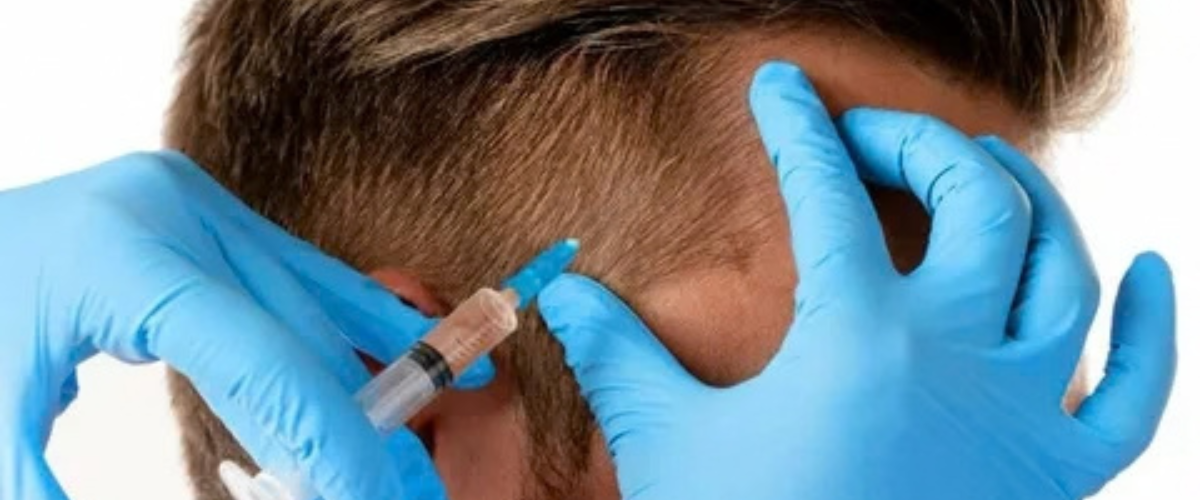
Hair PRP Treatment in Kharghar, Navi Mumbai
Hair thinning, excessive hair fall, or a gradually widening part can affect both men and women. If your hair follicles are still active, Hair PRP (Platelet-Rich Plasma) treatment may be considered as part of a medically guided hair-loss management plan.
At Dr. Gunjan Gangaraju’s clinic in Kharghar, Navi Mumbai Hair PRP treatment uses platelet-rich plasma prepared from your own blood and delivered into selected areas of the scalp. The aim is to support existing hair follicles, reduce hair shedding in suitable patients, and improve overall hair density over time.
Because different types of hair loss require different treatments, a proper scalp and hair assessment is important before starting PRP.
Looking for Hair PRP treatment in Kharghar or Navi Mumbai? Consult Dr. Gunjan Gangaraju for a personalised hair-loss assessment and treatment plan.
What Is Hair PRP Treatment?
Hair PRP, or Platelet-Rich Plasma therapy for hair, is a minimally invasive treatment that uses a concentrated portion of the patient's own blood containing platelets.
Platelets contain growth factors involved in healing and tissue-repair processes. During Hair PRP treatment, a small amount of blood is collected and processed to separate platelet-rich plasma. The prepared PRP is then administered into targeted areas of the scalp.
For selected types of hair loss, PRP may help support existing follicles and improve hair density. It does not create completely new hair follicles and is not a guaranteed cure for every type of hair loss.
How Does PRP Help With Hair Loss?
Hair follicles can gradually become smaller and produce finer, shorter hairs, particularly in pattern hair loss.
PRP delivers concentrated platelets and associated growth factors directly to the scalp. In suitable patients, this may:

Support weakened but active hair follicles
Reduce excessive hair shedding
Improve hair density
Support the hair-growth cycle
Complement other medically recommended hair-loss treatments
Results vary according to the cause and stage of hair loss, age, follicle activity, general health, treatment protocol and individual response.
Who May Be Suitable for Hair PRP?
Hair PRP may be considered for men and women experiencing certain forms of hair thinning or hair loss.
Potential candidates may include people with:
Male Pattern Hair Loss
Men noticing progressive thinning around the hairline, temples or crown may be assessed for PRP as part of their overall hair-loss treatment.
Female Pattern Hair Loss
Women experiencing gradual thinning, reduced density or widening of the central part may benefit from an evaluation to determine whether PRP is appropriate.
Early-Stage Hair Thinning
PRP generally relies on the presence of functioning hair follicles. This is why seeking assessment during the earlier stages of progressive thinning may be useful.
Increased Hair Shedding
Excessive shedding can have many causes, including nutritional deficiencies, stress, illness, hormonal changes and other medical conditions. The underlying cause should be evaluated before deciding whether PRP is appropriate.
Hair Loss Requiring Combination Treatment
Some patients may receive PRP alongside other treatments recommended after a clinical assessment.
What Happens During Hair PRP Treatment?
Hair PRP treatment usually involves a few key steps.
1. Hair and Scalp Assessment
Your pattern of hair loss, scalp condition, medical history and other relevant factors are evaluated. Additional investigations may be recommended when an underlying cause is suspected.
2. Blood Collection
A small amount of your own blood is collected, similar to a routine blood test.
3. PRP Preparation
The blood is processed using a centrifugation system to separate and concentrate the platelet-rich component.
4. Scalp Treatment
The prepared PRP is administered into selected areas of the scalp where thinning or reduced hair density is present.
5. Aftercare
You will receive appropriate instructions regarding scalp care and activities following the procedure.
The exact protocol may differ according to individual requirements.
Benefits of Hair PRP Treatment
For appropriately selected patients, potential advantages of Hair PRP include:
Uses material derived from your own blood
Minimally invasive procedure
Usually requires little downtime
Can target specific areas of hair thinning
May help reduce hair shedding
May improve hair density in responsive patients
Can form part of a broader hair-loss management plan
PRP results are gradual rather than immediate, and individual outcomes cannot be guaranteed.
How Many PRP Sessions Are Needed for Hair?
There is no single PRP schedule suitable for every patient.
A treatment plan may involve a series of initial sessions followed by maintenance sessions when clinically appropriate. The frequency depends on factors such as:
Type of hair loss
Severity and duration of thinning
Hair-follicle condition
Response to previous sessions
Other ongoing hair-loss treatments
Individual treatment goals
After examining your scalp and hair-loss pattern, Dr. Gunjan Gangaraju can recommend an appropriate treatment schedule.
When Can You Expect Results From Hair PRP?
Hair growth takes time, so PRP results are not immediate.
Some patients may first notice reduced shedding, followed gradually by changes in density or overall hair appearance. Visible improvement can take several months because hair follicles progress through natural growth cycles.
Response varies significantly between patients. Regular clinical assessment can help determine whether the treatment is working as expected.
Is Hair PRP Permanent?
PRP should not be considered a permanent cure for progressive hair loss.
Conditions such as androgenetic or pattern hair loss can continue to progress over time. Maintenance treatment or other medical hair-loss therapies may therefore be recommended depending on the underlying condition and individual response.
The goal is to develop a long-term hair-management strategy rather than rely on a single procedure.
Is Hair PRP Painful?
Patients may experience mild discomfort during scalp injections. Sensitivity varies from person to person.
Temporary scalp tenderness, redness, swelling or mild discomfort can occur after treatment. Your clinician will explain what to expect and provide appropriate aftercare instructions.
Is There Any Downtime After Hair PRP?
Hair PRP is generally performed as an outpatient procedure and usually involves minimal downtime.
Many people can return to routine activities relatively quickly. However, you may be advised to avoid certain hair or scalp products and strenuous activities for a short period following treatment.
Follow the personalised post-treatment instructions provided by your clinician.
Hair PRP vs GFC: What Is the Difference?
Both PRP and GFC (Growth Factor Concentrate) treatments use components derived from the patient's own blood, but their preparation methods and final formulations differ.
PRP involves concentrating platelet-rich plasma, while GFC techniques are designed to prepare a concentrated growth-factor formulation.
Neither option is automatically right for every patient. The choice should depend on your type of hair loss, scalp condition, previous treatments and clinical assessment.
Dr. Gunjan Gangaraju can assess your hair-loss pattern and discuss whether PRP, GFC or another treatment approach is more appropriate.
PRP vs Hair Transplant: Which Do You Need?
PRP and hair transplantation have very different purposes.
PRP treatment is generally considered when viable hair follicles remain and the aim is to support existing hair.
A hair transplant, on the other hand, is a surgical procedure that moves follicles from a donor area to areas where significant hair loss has occurred.
People with advanced baldness or areas where follicles are no longer active may not obtain the desired result from PRP alone.
A clinical evaluation is therefore important before choosing a treatment.
Why Does Hair Fall Need Proper Diagnosis Before PRP?
Hair loss is not a single condition.
Possible causes can include:
Androgenetic or pattern hair loss
Nutritional deficiencies
Thyroid disorders
Hormonal changes
Recent illness or surgery
Significant physical or emotional stress
Certain medications
Scalp disorders
Autoimmune conditions
Post-pregnancy hormonal changes
Simply treating the scalp without identifying the cause may not adequately address the problem.
A personalised evaluation helps determine whether Hair PRP is appropriate or whether another treatment or investigation should be considered first.
Hair PRP Treatment for Men in Kharghar
Men commonly seek treatment for a receding hairline, thinning crown or progressive male pattern hair loss.
When active follicles remain, PRP may be considered as part of a personalised plan to support existing hair and improve density.
Early assessment is particularly useful because advanced bald areas may respond differently from areas containing miniaturised but active follicles.
Hair PRP Treatment for Women in Kharghar
Female hair loss can have several possible causes, and treatment should not begin with the assumption that every case is the same.
Women may experience:
Widening of the hair part
Reduced overall hair volume
Increased hair shedding
Progressive thinning over the top of the scalp
Hair changes associated with hormonal or nutritional factors
A detailed assessment helps identify possible contributing factors and determine whether PRP should be used alone or alongside other treatments.
Why Choose Dr. Gunjan Gangaraju for Hair PRP in Kharghar?
Dr. Gunjan Gangaraju (MBBS, IFAAM, FCGP) is an aesthetic physician with more than 8 years of experience and an interest in aesthetic and regenerative medicine.
At her clinic in Kharghar, Navi Mumbai, treatment planning focuses on assessing the patient's individual concern before recommending an appropriate approach.
Patients considering Hair PRP can receive:
Individual hair and scalp assessment
Personalised treatment planning
Evaluation of the likely cause and pattern of hair loss
PRP and advanced hair-treatment options
Guidance on realistic treatment expectations
Follow-up based on treatment response
The objective is not simply to perform PRP, but to determine whether PRP is suitable for your particular type of hair loss.
Hair PRP Treatment Near You in Kharghar, Navi Mumbai
If you live in Kharghar or nearby areas of Navi Mumbai and are experiencing progressive hair thinning or excessive hair fall, you can consult Dr. Gunjan Gangaraju for an assessment.
Clinic Address:
First Floor, Shop No. 74–77, Chaturbhuj HSG, Plot No. 61, Sector 21, Kharghar, Navi Mumbai – 410210
Call: +91-7700960477
A consultation can help identify the possible cause of your hair loss and whether PRP or another hair treatment is appropriate for you.
Frequently Asked Questions About Hair PRP
Does PRP really work for hair growth?
Research suggests PRP can improve hair density and reduce hair loss in some patients with alopecia. However, response varies, and PRP is not equally effective for every cause or stage of hair loss. Read more about it here.
Is PRP good for male pattern baldness?
PRP may be considered for androgenetic alopecia, particularly where viable hair follicles remain. Advanced areas of baldness may respond less predictably.
Can women undergo Hair PRP?
Yes. Women with certain forms of hair thinning may be candidates for PRP, but the cause of hair loss should first be assessed.
Can PRP regrow hair on a completely bald scalp?
PRP depends on existing viable follicles. It cannot reliably create new follicles in an area where follicles are no longer functioning.
How many Hair PRP sessions will I need?
The number and frequency of sessions vary according to your diagnosis, degree of hair loss and response to treatment. A personalised schedule is recommended after evaluation.
How long does Hair PRP take to show results?
Hair grows slowly, so visible changes generally require time. Some people notice reduced shedding first, while changes in density may become apparent over subsequent months.
Are PRP results permanent?
Not necessarily. Progressive conditions such as pattern hair loss may require ongoing management and, in some cases, maintenance treatments.
Is PRP better than GFC for hair?
There is no universal answer. PRP and GFC differ in how the blood-derived product is prepared. The appropriate treatment depends on the patient's hair-loss pattern, scalp condition and clinical assessment.
Can PRP be combined with other hair-loss treatments?
In appropriate cases, PRP may form part of a broader treatment plan. Any combination should be recommended after medical assessment rather than self-selected.
Where can I get Hair PRP treatment in Kharghar, Navi Mumbai?
Hair PRP consultation and treatment are available at Dr. Gunjan Gangaraju’s clinic in Sector 21, Kharghar, Navi Mumbai. An initial assessment helps determine whether PRP is appropriate for your type and stage of hair loss.
Take the First Step Towards Managing Hair Loss
Hair fall does not have the same cause—or the same solution—for everyone.
If you are noticing increased hair fall, reduced hair density, a widening hair part or early pattern hair loss, consider getting your scalp and hair condition evaluated before deciding on treatment.
Consult Dr. Gunjan Gangaraju for Hair PRP treatment in Kharghar, Navi Mumbai, and receive a personalised treatment plan based on your hair-loss pattern and individual needs.
Call +91-7700960477 to book your consultation.
Our Treatments
