
Weight Loss Injections in Mumbai – Mounjaro, Wegovy & Ozempic

Weight Loss Injections in Mumbai
For professionals and residents across the Mumbai metropolitan expanse facing frustrating metabolic resistance, stubborn central adiposity, or plateaus that resist routine caloric reduction and workout routines, weight loss injections in Mumbai provide a modern, endocrinologist-aligned medical solution. Moving beyond ineffective commercial fads, clinical weight management harnesses scientifically tested incretin-mimetic injectables—chiefly once-weekly GLP-1 and dual GIP/GLP-1 receptor agonists. Located in Sector 21, Kharghar (effortlessly accessible from South Mumbai, Western Suburbs, Central Mumbai, BKC, and Thane via the Eastern Freeway, Atal Setu / MTHL, and Sion-Panvel Expressway), Yuvani Aesthetic Clinic and Dr. Gunjan Gangaraju offer physician-guided pharmacotherapy reinforced by thorough metabolic profiling, customized micro-dosing escalations, and dedicated nutritional guidance for safe, clinically verified body transformations.
What Are GLP-1 and GIP/GLP-1 Weight Loss Injections?
Weight loss injections are doctor-prescribed metabolic injectables—primarily GLP-1 receptor agonists and dual-action GIP/GLP-1 incretin mimetics—that harness natural gut hormonal signaling to control hunger centers in the brain, prolong gastric digestion, quiet intrusive cravings, and support substantial, doctor-supervised fat reduction.
Every time you digest a meal, enteroendocrine cells inside your gastrointestinal tract release specialized incretin messengers into the bloodstream. These hormones signal satiety centers within the brain's hypothalamus, delay gastric emptying rate, and prompt glucose-dependent insulin release. Injectable GLP-1 and dual-target incretins duplicate and amplify these natural feedback loops. Patients discover that obsessive preoccupation with food ("food noise") subsides, feeling full after moderate portions without fighting severe hunger pangs, thereby achieving steady compliance with a deficit.
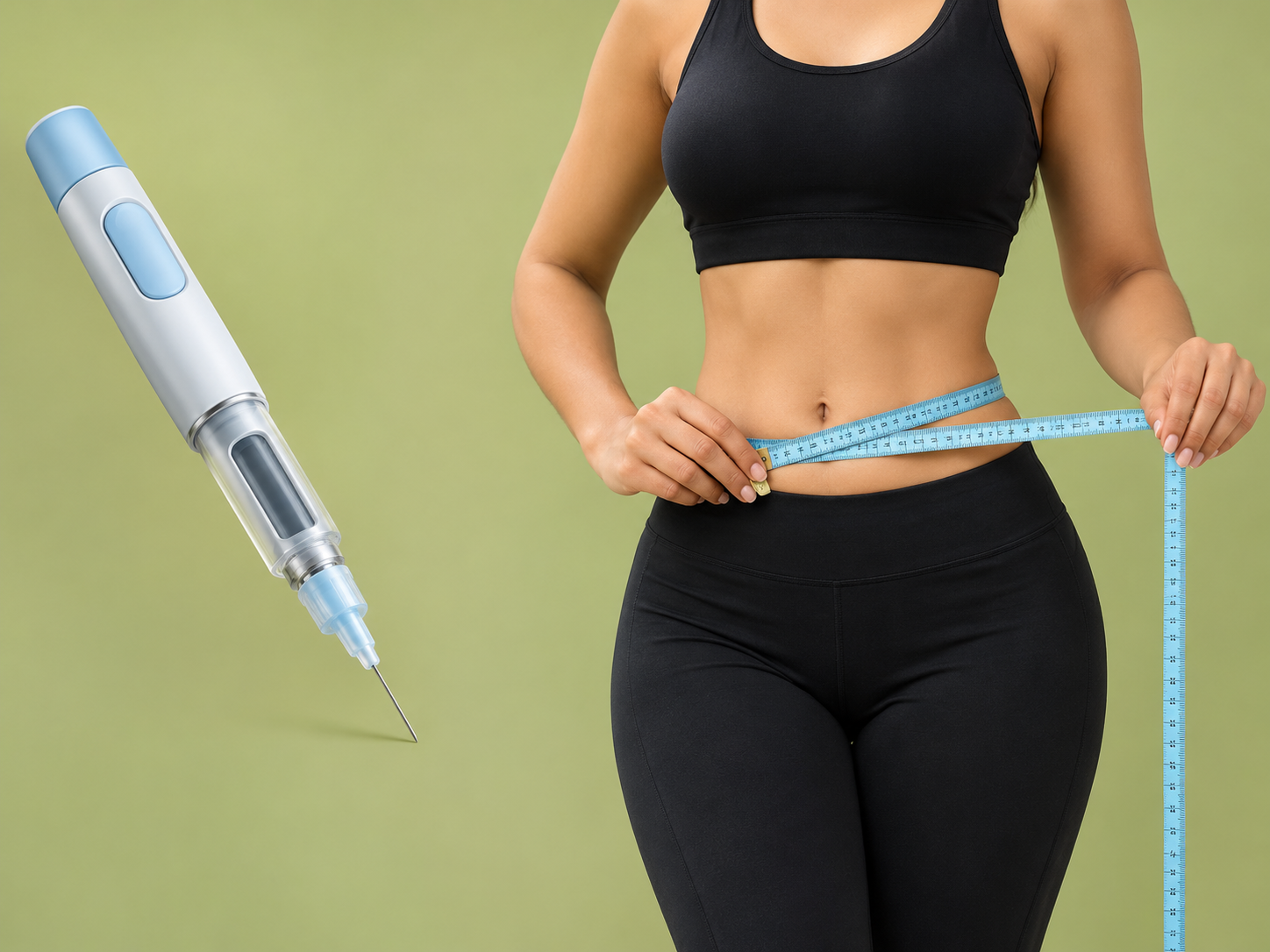
Whole-Body Metabolic Action vs. Targeted Contouring: Systemic weight-loss injectables do not physically melt or dissolve fat cells in focal zones. For targeted fat reduction in localized pockets like double chins, aesthetic procedures like injection lipolysis are employed. Incretin injections, conversely, work through endocrine signaling to burn adipose tissue across your entire body.
Given their systemic effects on gastric transit, fluid balance, and blood sugar regulation, physician oversight is mandatory. A doctor-guided approach ensures safe initial health screening, steady dosage titration to prevent digestive intolerance, and continuous biomarker monitoring.
Which Weight Loss Injections Are Available in India?
The regulatory approval and clinical distribution of incretin medications in India are governed by the Central Drugs Standard Control Organisation (CDSCO / DCGI). Understanding the distinct therapeutic designations and availability of these injectables ensures well-informed clinical decisions:

Mounjaro (Tirzepatide): Manufactured by Eli Lilly, Mounjaro is a first-in-class dual GIP (glucose-dependent insulinotropic polypeptide) and GLP-1 receptor agonist. Approved in India for glycemic management in Type 2 Diabetes, it is also approved globally (as Zepbound) for chronic weight management. In Indian clinical practice, physicians prescribe Mounjaro off-label to eligible individuals battling obesity under thorough clinical and biochemical oversight.
Wegovy (Semaglutide 2.4 mg): Produced by Novo Nordisk, Wegovy is formulated and clinically approved internationally as a dedicated anti-obesity therapy for adults with obesity (BMI ≥ 30 kg/m²) or overweight with associated health risks (BMI ≥ 27 kg/m²). As regulatory availability expands across India, it stands as the dedicated weight-loss benchmark for semaglutide.
Ozempic (Semaglutide up to 2.0 mg): Also developed by Novo Nordisk, Ozempic contains the same active drug substance (semaglutide) but is packaged in lower-dosage delivery pens labeled specifically for glycemic regulation in Type 2 Diabetes. While substantial weight reduction is a well-documented secondary effect, it is technically an antidiabetic medicine rather than a standalone obesity drug.
Medical Sourcing & Verification Notice
All therapeutic incretin injections require an authentic medical prescription and should be obtained exclusively from authorized, cold-chain-certified pharmaceutical channels. Patients in Mumbai must avoid unregulated online platforms or unlicensed compounded peptide solutions, which present immense risks of chemical impurities, unstable dosing, and acute toxicity. Yuvani Aesthetic Clinic adheres to rigid regulatory verification.
Mounjaro vs Wegovy vs Other Semaglutide Treatments
Comparing the pharmacological profiles and clinical evidence supporting Mounjaro, Wegovy, and Ozempic helps patients understand how these medications function in practice:
| Medication Name | Active Ingredient | Receptor Pathway | Administration Mode | Clinical Indications | Published Clinical Outcomes |
|---|---|---|---|---|---|
| Mounjaro | Tirzepatide | Dual-acting GIP & GLP-1 agonist | Subcutaneous injection, once per week | Approved in India for Type 2 Diabetes; US FDA approved for chronic weight control (Zepbound); doctor-supervised off-label weight loss | SURMOUNT-1 Phase 3 Trial: Documented up to ~20.9% mean total body mass reduction with 15 mg weekly dosing at week 72 in non-diabetic adults. |
| Wegovy | Semaglutide (2.4 mg) | Mono-targeted GLP-1 agonist | Subcutaneous injection, once per week | Dedicated medical therapy for long-term weight management in individuals with obesity or overweight with metabolic complications | STEP-1 Global Trial: Produced an average body mass decrease of ~14.9% with 2.4 mg weekly over 68 weeks alongside behavioral and nutritional counseling. |
| Ozempic | Semaglutide (0.5 mg, 1.0 mg, 2.0 mg) | Mono-targeted GLP-1 agonist | Subcutaneous injection, once per week | Formulated and approved for glycemic regulation and cardiovascular risk reduction in Type 2 Diabetes | SUSTAIN Global Trials: Established robust HbA1c reductions with secondary average weight decreases of 4 to 6 kg in Type 2 Diabetes cohorts. |
Clinical Nuance & Decision Making: While tirzepatide recorded higher mean weight reduction in clinical trials owing to synergistic dual receptor agonism, medication selection is never one-size-fits-all. Dr. Gunjan Gangaraju tailors therapeutic recommendations to your baseline gastrointestinal tolerance, metabolic health status, cardiovascular risk factors, and lifestyle routine.
Who May Be Eligible for Weight Loss Injections?
Medical weight loss injections are indicated for adults battling clinical overweight or obesity who have been unable to sustain meaningful weight reduction through conventional diet and exercise. They are medical treatments intended for metabolic health optimization, not aesthetic slimming aids for minor cosmetic adjustments.
Standard medical eligibility criteria include:
Body Mass Index (BMI) ≥ 30 kg/m²: Classified as clinical obesity.
BMI ≥ 27 kg/m² with Comorbidities: Overweight individuals with at least one weight-related condition, such as hypertension, dyslipidemia, pre-diabetes, obstructive sleep apnea, or non-alcoholic fatty liver disease (NAFLD).
Asian Indian Specific Cutoffs: Consensus guidelines for Asian Indian populations recommend lower thresholds (BMI ≥ 27.5 kg/m² for obesity and ≥ 25 kg/m² with comorbidities) due to higher visceral adiposity risks at lower body weights.
Documented Lifestyle Efforts: Prior structured attempts at nutritional and exercise weight loss.
Absolute Contraindications: Incretin-based injectables must never be prescribed to individuals with a personal or family history of Medullary Thyroid Carcinoma (MTC), Multiple Endocrine Neoplasia syndrome type 2 (MEN 2), active pregnancy, nursing mothers, individuals with previous acute pancreatitis, or patients suffering from severe gastroparesis.
How Does Weight Loss Injection Treatment Work?
At Yuvani Aesthetic Clinic, weight management follows a rigorous 8-step clinical roadmap structured to optimize fat reduction while preserving lean skeletal muscle and digestive wellness:
Initial Clinical History & Metabolic Diagnostic
Dr. Gunjan explores your medical background, prior weight-loss trajectories, eating patterns, and long-term health objectives.
Comprehensive Biomarker & Laboratory Screening
Baseline blood evaluations (HbA1c, lipid panel, liver and kidney profiles, thyroid panel) verify systemic safety and exclude underlying metabolic dysfunction.
Personalized Therapeutic Blueprint
A tailored treatment timeline is established, setting measurable target weight milestones, caloric guidelines, and dietary boundaries.
Medication Selection & Authentic Sourcing
Selection of the most compatible, legally approved injectable (Mounjaro, Wegovy, or Ozempic) aligned with your clinical profile.
Self-Injection Education & Technique Mastery
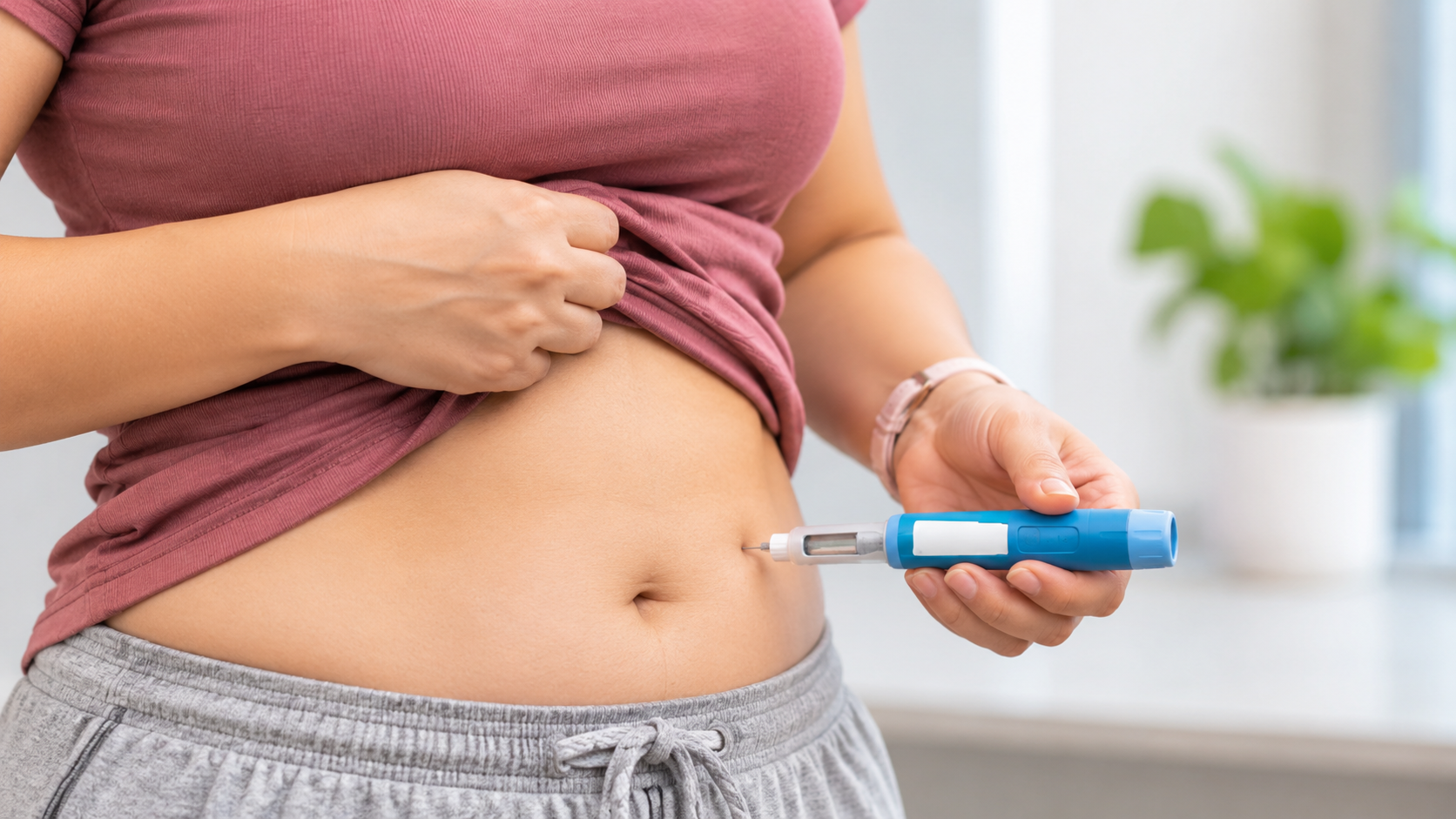
Clear, hands-on demonstration on subcutaneous self-administration using pre-filled pen injectors in the abdomen, thigh, or upper arm with sterile handling.
High-Protein Nutrition & Hydration Strategy
Individualized dietary guidance emphasizing high protein intake and consistent hydration to shield lean muscle and avoid digestive slowing.
Gradual Dose Titration (Stepwise Escalation)
Starting at an introductory micro-dose (e.g., 2.5 mg tirzepatide; 0.25 mg semaglutide) and increasing every 4 weeks to foster digestive adaptation while maximizing fat loss.
Ongoing Clinical Monitoring & Long-Term Maintenance
Regular follow-ups track body composition metrics and tolerance, paving the way for gradual maintenance dosing or structured tapering once target weight is achieved.
What Results Can Patients Realistically Expect?
Achieving meaningful, lasting weight loss requires realistic biological expectations. Incretin-based medications facilitate significant reductions in body weight, but the pace and magnitude of response vary considerably among individuals:
Initial Response (Weeks 1–4): Patients frequently notice reduced appetite, earlier satiety during meals, and diminished cravings within the first few days. Initial weight loss of 2–4 kg during the first month is common as fluid and fat mass begin to decline.
Progressive Phase (Months 2–6): As dosages are incrementally titrated to therapeutic maintenance levels, steady fat loss typically continues at an average rate of 0.5 to 1 kg per week, provided caloric deficit and protein intake are maintained.
Plateau & Peak Outcome (Months 9–16): Most clinical trial participants reach their peak percentage reduction between 52 and 72 weeks, averaging 15% to 20% total body weight reduction depending on the molecule and dose.
Managing Non-Responders: Approximately 10% to 15% of patients show poor response (losing less than 5% body weight after 16 weeks on therapeutic doses). In these circumstances, Dr. Gunjan reassesses hormonal factors, reviews adherence, or pivots therapy.
Preventing Weight Rebound: Suddenly stopping injections without established nutritional routines and regular resistance exercise often triggers rebound weight gain. Lasting triumph demands permanent lifestyle integration and gradual, medically directed dose weaning.
Side Effects, Precautions and Contraindications
Because incretins recalibrate gastric motility and digestive secretions, gastrointestinal adaptation is expected. In most patients, symptoms remain mild and diminish as treatment continues:
Commonly Observed Mild Symptoms:
Intermittent Nausea: Common during the first 24 to 72 hours following an injection or dosage step-up, alleviated by smaller meal sizes and avoiding fried foods.
Changes in Bowel Transit (Constipation / Diarrhea): Attributed to decelerated intestinal peristalsis; mitigated by active hydration and dietary fiber.
Gastric Reflux, Belching & Epigastric Fullness: Delayed stomach emptying can produce mild acidity, easily countered with proper meal spacing and upright post-meal posture.
Mild Lethargy & Headache: Transient sensations during the early caloric adjustment phase.
Critical Clinical Warnings & When to Seek Care:
Infrequent but serious conditions require clinical awareness. These include acute pancreatitis (indicated by unrelenting, severe epigastric pain radiating through to the back), cholelithiasis (gallbladder stones caused by swift lipid mobilization), hypovolemia-induced renal strain from persistent fluid loss, and hypoglycemia when combined with secretagogue agents like glimepiride. Patients experiencing unrelenting vomiting, yellowing of the eyes or skin, or severe abdominal spasms must receive prompt clinical care.
Weight Loss Injection Costs and Cost Factors

The financial investment for physician-supervised weight loss injections across Mumbai is individualized rather than uniform. Because baseline body mass, target reduction goals, and metabolic responsiveness dictate dosing, exact estimates are established during consultation.
Primary variables governing overall treatment expenditure include:
Active Molecule Formulation: Dual-incretin tirzepatide (Mounjaro) and selective GLP-1 semaglutide (Wegovy or Ozempic) carry differing pharmaceutical manufacturing pricing tiers.
Dosage Progression: Introductory titration strengths (e.g., 2.5 mg tirzepatide or 0.25 mg semaglutide) have distinct monthly costs compared to higher maintenance strengths (e.g., 10–15 mg tirzepatide or 2.4 mg semaglutide).
Course Length: Overall expenses depend on whether you are enrolled in a 12-week jumpstart, a 6-month body recomposition course, or an ongoing chronic management plan.
Doctor Evaluations & Biomarker Monitoring: Clinical follow-up appointments, periodic metabolic blood tests, and body composition tracking guarantee safety throughout.
For a deeper breakdown of pricing components, read our detailed guide on weight loss injection cost factors in Mumbai and Navi Mumbai, or schedule an in-person consultation for an accurate estimate.
Nutrition, Exercise and Muscle Preservation
A central danger of rapid adipose reduction is losing lean skeletal muscle mass alongside body fat. Guarding muscle tissue is vital to keeping your resting metabolic rate strong and maintaining aesthetic tone:
Daily Protein Targets: Consume 1.2 to 1.5 grams of protein per kilogram of ideal body weight. Incorporate lean chicken breast, eggs, fish, Greek yogurt, paneer, tofu, edamame, lentils, and high-grade whey protein to preserve lean tissue during reduced caloric intake.
Targeted Strength & Resistance Workouts: Perform progressive resistance training (free weights, cable machines, or bodyweight exercises) 2 to 3 days weekly to signal muscular preservation to your central nervous system.
Diligent Fluid Replenishment: Drink 2.0 to 2.5 litres of water each day. Incretins often suppress thirst reflexes; deliberate hydration guards renal wellness and avoids hard bowel movements.
Clean, Unprocessed Whole Foods: Prioritize crisp vegetables, antioxidant-rich fruits, and complex grains, while eliminating greasy, ultra-processed items that induce gastrointestinal upset.
Why Consult Dr. Gunjan Gangaraju?
Physician-guided weight management is an intricate endocrine intervention requiring deep diagnostic understanding and personalized dosing. At Yuvani Aesthetic Clinic, every patient receives direct care from Dr. Gunjan Gangaraju:
Accredited Medical Background: Holds an MBBS, IFAAM (Fellowship in Aesthetic Anti-Aging Medicine from the University of Greifswald, Germany), and FCGP, combining rigorous clinical medicine with metabolic wellness expertise.
8+ Years of Practical Clinical Experience: Proven background in dermatology, medical aesthetics, and medically supervised weight loss across the Mumbai metropolitan area.
Individualized Micro-Titration Pacing: Dosages are adjusted conservatively based on your biological tolerance, keeping digestive side effects minimal while sustaining continuous fat loss.
Comprehensive Lifestyle & Muscle Coaching: Detailed dietary guidance, hydration strategies, and muscle preservation routines accompany every prescription plan.
Direct, Ethical Patient Guidance: Honest conversations regarding realistic fat-loss velocity, necessary lifestyle integration, and rebound prevention with zero inflated claims.
Clinic Location, Directions and Appointments
Located in Sector 21, Kharghar, Yuvani Aesthetic Clinic is designed to be easily accessible for Mumbai residents seeking dedicated medical weight management. Convenient transport routes include:
From South Mumbai: Accessible via the Eastern Freeway or Atal Setu (MTHL) connecting directly onto the Sion-Panvel Expressway, reaching Kharghar in approximately 35–45 minutes.
From BKC & Central Mumbai: Direct drive via the Santacruz-Chembur Link Road (SCLR) and Sion-Panvel Highway into Sector 21, Kharghar.
From Western Suburbs & Thane: Straightforward transit along the Eastern Express Highway / Thane-Belapur corridor onto the expressway.
Suburban Railway Network: Frequent direct trains on the Harbour Line connecting CSMT, Dadar, Kurla, and Chembur directly to Kharghar railway station.
Yuvani Aesthetic Clinic – Dr. Gunjan Gangaraju
Frequently Asked Questions About Weight Loss Injections in Mumbai
Here are concise, evidence-based answers to the most common questions regarding medical weight loss injections in Mumbai:
Weight loss injections are prescription metabolic therapies—principally GLP-1 receptor agonists and dual GIP/GLP-1 receptor agonists—that mimic gut hormones to regulate hunger, delay digestive transit, and silence obsessive food noise. Under medical supervision, they help individuals sustain a comfortable caloric deficit and achieve substantial body fat loss.
The primary clinical options include Mounjaro (tirzepatide, approved by DCGI/CDSCO for Type 2 Diabetes and used off-label for obesity management), Wegovy (semaglutide 2.4 mg, specifically formulated for chronic weight loss), and Ozempic (semaglutide up to 2.0 mg, formulated for glycemic control).
Mounjaro features tirzepatide, engaging both GIP and GLP-1 neuroendocrine receptors to achieve up to ~20.9% average body weight loss in the SURMOUNT-1 trial. Wegovy utilizes semaglutide at a targeted 2.4 mg weight-loss dosage (~14.9% average reduction in STEP-1). Ozempic uses the same semaglutide active molecule at lower dosages approved for diabetes management.
Standard clinical candidates have a BMI ≥ 30 kg/m² (obesity), or a BMI ≥ 27 kg/m² with metabolic complications such as elevated blood pressure, lipid abnormalities, pre-diabetes, or sleep apnea. For Asian Indian populations, lower thresholds (BMI ≥ 27.5 kg/m² for obesity; ≥ 25 kg/m² with comorbidities) apply due to higher cardiovascular and visceral fat risks.
In major clinical trials, participants recorded 15% to 20% average total weight reductions over 52 to 72 weeks alongside dietary adjustments. In active clinical care, patients typically observe steady, healthy fat loss of 0.5 to 1.0 kg per week once therapeutic maintenance doses are reached, with individual timelines dependent on adherence and metabolic profile.
Mild-to-moderate digestive symptoms such as nausea, acid reflux, constipation, diarrhea, and fullness can arise during early weeks or dose escalation. Dr. Gunjan Gangaraju minimizes these through conservative 4-week dose micro-titrations, dietary modifications, and individualized hydration protocols.
Treatment pricing is based on the selected molecule (tirzepatide vs semaglutide), your therapeutic dosage increment, program duration, and necessary clinical evaluations and blood monitoring. Dr. Gunjan Gangaraju outlines transparent cost factors during your comprehensive in-person evaluation.
Stopping injections suddenly without entrenched nutritional discipline and strength training can trigger weight regain as hunger hormones reset. Sustainable long-term fat maintenance relies on gradual dose tapering paired with permanent lifestyle, dietary, and resistance-training habits.
Yes. Women with Polycystic Ovary Syndrome (PCOS) commonly battle stubborn insulin resistance that impedes weight reduction. Incretin therapies enhance cellular insulin responsiveness and reduce visceral abdominal adiposity. Note that pregnancy must be ruled out, as incretin medications cannot be taken during active pregnancy.
Dr. Gunjan Gangaraju consults at Yuvani Aesthetic Clinic in Sector 21, Kharghar. The clinic is easily reachable from South Mumbai, BKC, and Western Suburbs via the Eastern Freeway, Atal Setu (MTHL), and Sion-Panvel Highway, or via the Mumbai Suburban rail network to Kharghar railway station.
Our Treatments
