
PDRN Treatment in Kharghar, Navi Mumbai
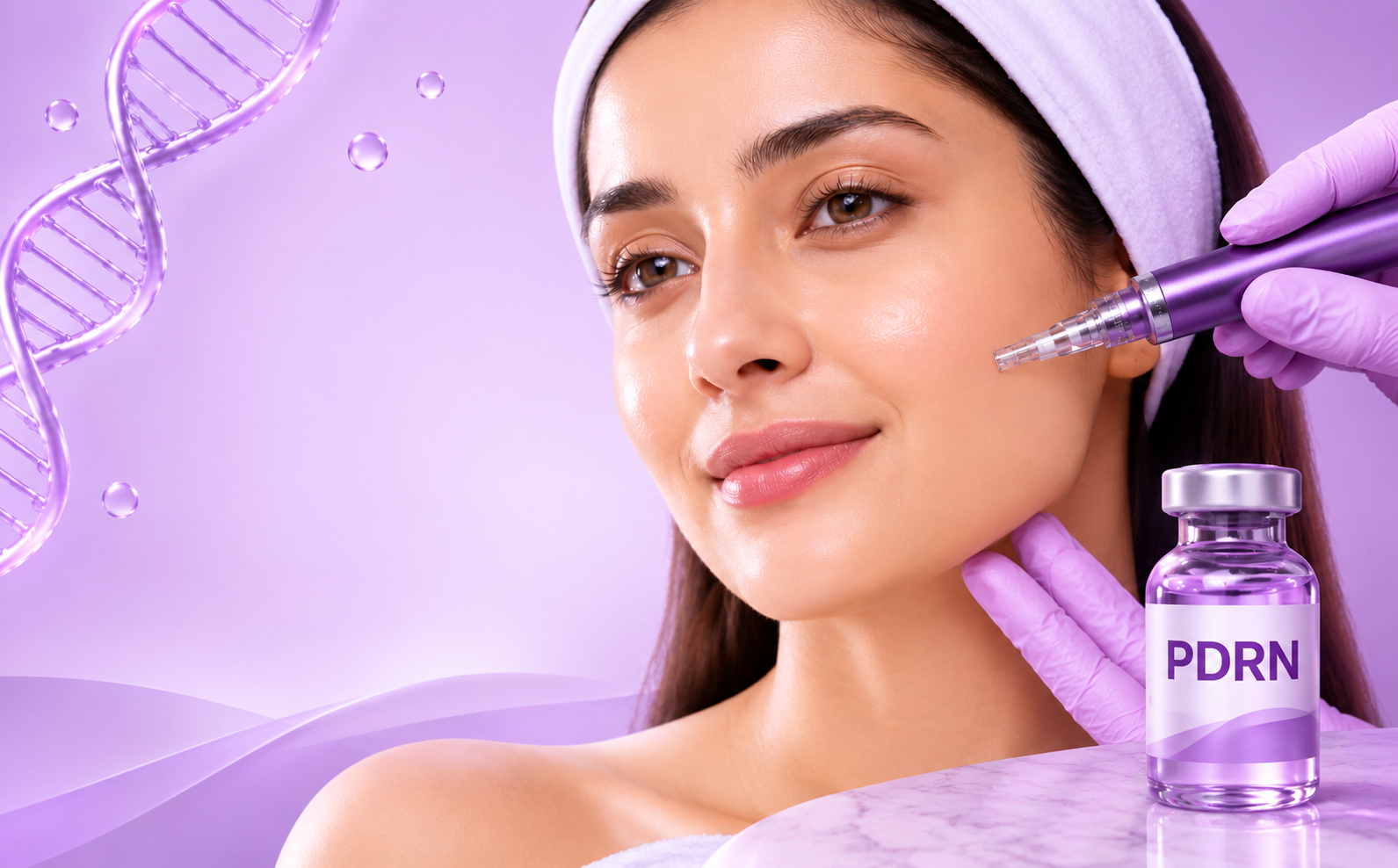
Understanding Regenerative Skin Rejuvenation
Skin changes such as fine lines, uneven texture, dryness and reduced elasticity can develop with age, sun exposure and environmental factors. Alongside established skincare and aesthetic treatments, newer approaches such as Polydeoxyribonucleotide (PDRN) therapy are being studied for their potential role in skin repair and rejuvenation.
PDRN treatment in Kharghar, Navi Mumbai is an emerging area of regenerative aesthetic medicine. It involves the use of purified DNA fragments that are being investigated for their effects on tissue repair and skin quality.
At Yuvani Aesthetic Clinic, Dr. Gunjan Gangaraju provides aesthetic consultations to help patients understand their skin concerns, available treatment options and the evidence supporting them. Suitability for PDRN-related procedures requires individual medical assessment, verification of the proposed product and an informed discussion of potential risks and benefits.
What Is PDRN Treatment?
PDRN stands for Polydeoxyribonucleotide, a substance made of purified DNA fragments, commonly derived from fish sources such as salmon or trout.
PDRN is being investigated in regenerative medicine because of its potential effects on tissue repair, inflammation and cellular processes involved in healing.
In aesthetic medicine, PDRN-containing formulations are being studied for skin quality concerns such as fine lines, texture changes and loss of elasticity. However, current clinical evidence is limited, and PDRN treatment should not be considered a proven replacement for established skin rejuvenation procedures.
PDRN and polynucleotides (PN) are related but not identical substances. Their formulations, molecular characteristics and intended uses may differ.
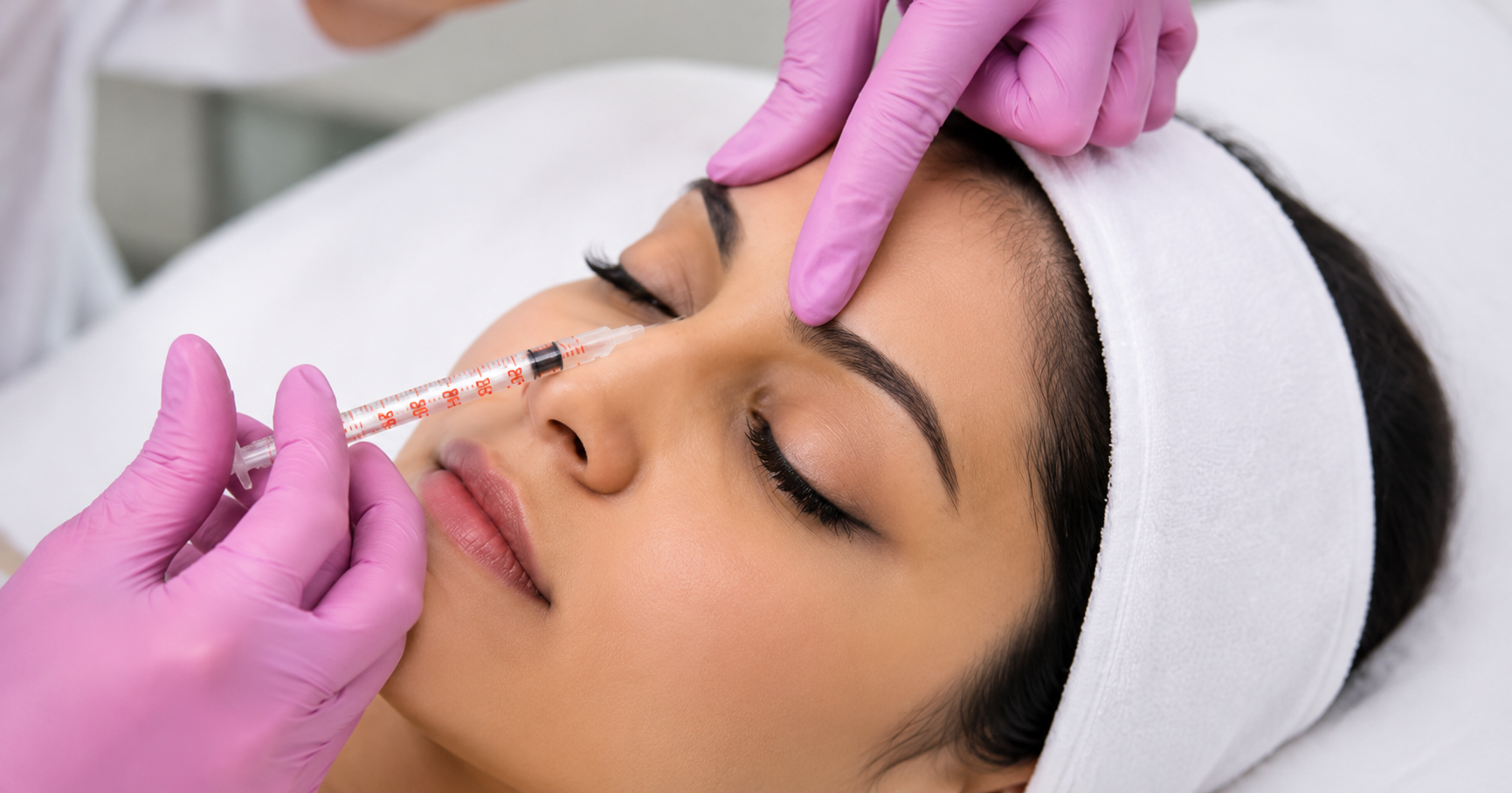
How Does PDRN Work on the Skin?
PDRN has been investigated for its possible role in supporting the skin's natural repair processes.
Research suggests that PDRN may influence biological pathways involved in inflammation, tissue recovery and cellular activity. One proposed mechanism involves signalling through adenosine A2A receptors.
Researchers are studying several potential effects:

Tissue repair: PDRN may influence biological processes associated with skin healing.
Collagen-related activity: Laboratory and early clinical research has explored its effects on cells involved in skin structure.
Inflammatory response: PDRN has demonstrated anti-inflammatory properties in certain research settings.
Skin quality: Related polynucleotide treatments have shown preliminary improvements in some measures of skin texture and elasticity.
These mechanisms do not establish that every PDRN formulation produces meaningful cosmetic results. More high-quality human studies are required.
Potential Benefits of PDRN Skin Treatment
PDRN and related polynucleotide therapies are being investigated for several skin concerns.
1. Fine Lines and Early Signs of Ageing: Fine lines can develop as collagen, elastin and skin hydration change over time. Early studies of polynucleotide-based treatments have reported improvements in selected wrinkle-related measurements. However, evidence specifically supporting PDRN for cosmetic wrinkle reduction remains insufficient.
2. Skin Texture and Smoothness: Rough or uneven skin texture may result from sun damage, acne, ageing or impaired skin barrier function. Regenerative therapies are being studied for their possible effects on skin structure, although established treatments may be more appropriate depending on the underlying cause.
3. Reduced Skin Elasticity: As skin ages, structural changes can contribute to reduced firmness and elasticity. Some research involving polynucleotide formulations suggests possible improvements in elasticity. Results vary between studies and cannot be assumed for all PDRN products.
4. Skin Recovery and Repair: PDRN has been investigated in wound-healing research, where certain studies have reported improvements in healing-related outcomes. These findings are encouraging but should not be interpreted as proof that cosmetic PDRN treatment will repair all types of skin damage.
5. Delicate Under-Eye Skin: Polynucleotide-based formulations are sometimes discussed for fine lines and skin quality around the eyes. However, the under-eye region has delicate anatomy. Product suitability, procedural risks and clinical evidence require careful evaluation before any treatment is considered.
Which Skin Concerns May Be Discussed During a PDRN Consultation?
People researching PDRN skin rejuvenation in Kharghar may have concerns such as:
Early facial fine lines
Uneven or rough skin texture
Reduced skin firmness
Age-related skin changes
Dry or dull-looking skin
Changes in skin quality around the eyes
Skin recovery following certain procedures
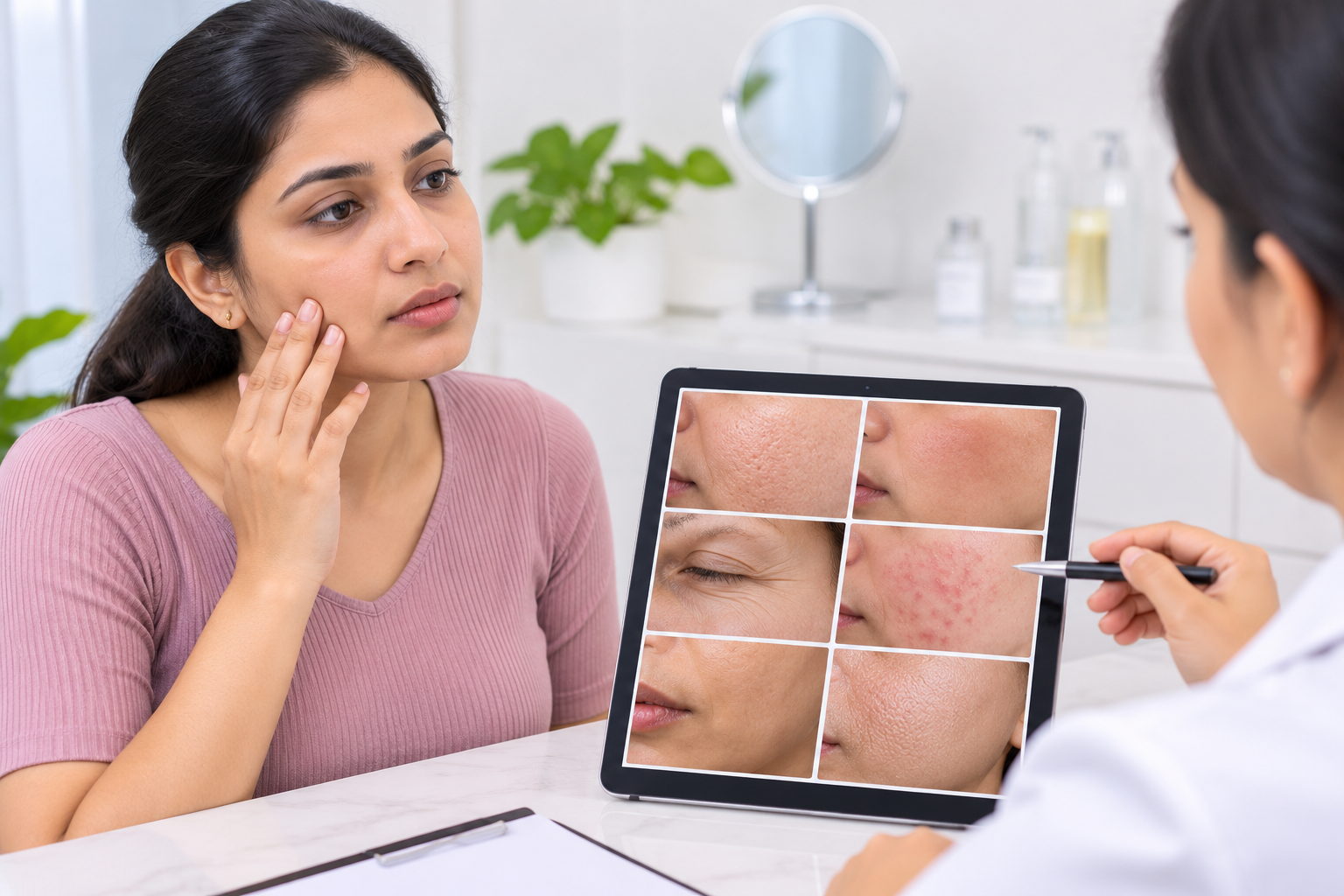
These concerns do not automatically make someone suitable for PDRN treatment.
A medical consultation helps identify the cause of the skin changes and whether established treatments, topical skincare or other management options would be more appropriate.
How Is PDRN Treatment Performed?
The treatment method depends on the formulation, its approved intended use and the patient's clinical needs.
PDRN-containing products may be available in different preparations. Injectable and topical products should not be treated as interchangeable.
Skin Consultation
The consultation begins with a discussion of the patient's skin concerns, medical history, current skincare products and previous aesthetic procedures.
Skin Assessment
The clinician examines skin texture, hydration, pigmentation, elasticity and other relevant features. This assessment helps determine whether the patient's concerns may benefit from medical skincare or an established aesthetic procedure.
Product and Safety Evaluation
Before any PDRN-based intervention is considered, the specific product's regulatory status, intended use, composition, sterility and potential contraindications must be reviewed. The clinician should explain the limited evidence supporting cosmetic PDRN applications.
Procedure Discussion
If a particular intervention is legally permitted and clinically appropriate, the method of administration, expected discomfort, possible side effects and aftercare requirements should be explained before informed consent is obtained.
Follow-Up and Skin Care
Follow-up depends on the procedure performed and the patient's skin response. Patients should receive individual instructions for skincare, sun protection and recognising complications.
Important Protocol Consideration
There is currently no universally established PDRN aesthetic treatment protocol, so a fixed session schedule or guaranteed outcome cannot be recommended.
Who May Not Be Suitable for PDRN Treatment?
PDRN treatment may be unsuitable or require additional assessment in people with:
Known allergy to fish-derived ingredients or other product components
Active skin infection or inflammation in the proposed treatment area
Pregnancy or breastfeeding, because adequate safety data are lacking
A history of significant allergic reactions to injectable products
Certain medical conditions or medications that affect procedural safety
Unrealistic expectations about cosmetic outcomes
A complete medical assessment is necessary before considering any regenerative aesthetic procedure.
Are There Any Side Effects of PDRN Treatment?
The risks depend on the product and the route of administration.
Potential reactions to injectable procedures include:
Temporary redness or swelling
Tenderness or discomfort
Bruising
Localised irritation
Allergic reactions
Infection
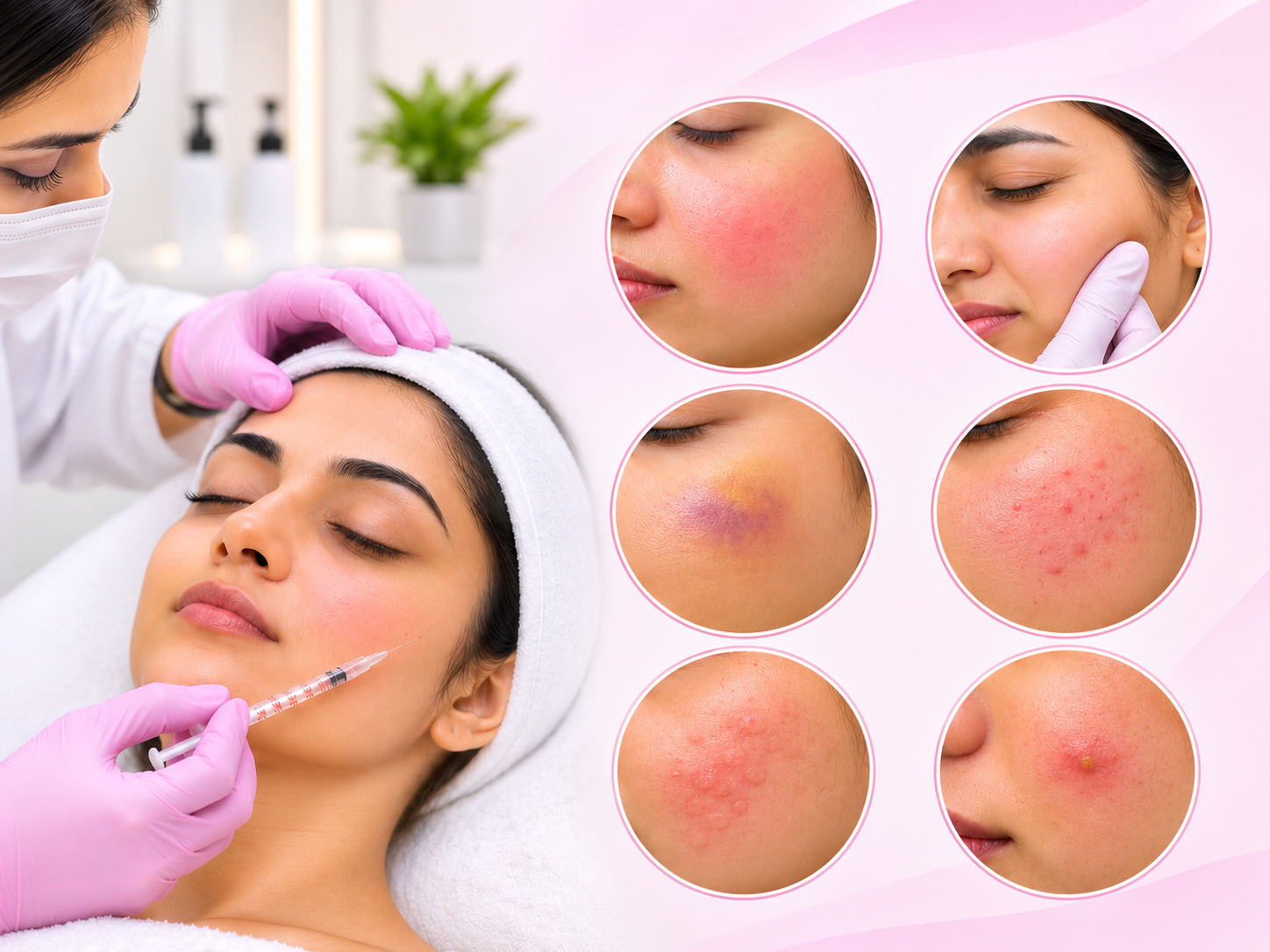
Rare but serious complications can occur with facial injections, especially when products are administered into or near blood vessels.
Long-term safety information for cosmetic PDRN use remains limited.
Anyone who develops severe pain, unusual skin colour changes, increasing swelling or visual symptoms after a facial injectable procedure should seek urgent medical attention immediately.
PDRN vs PRP vs Skin Boosters: What Is the Difference?
Several aesthetic treatments are discussed in relation to skin rejuvenation, but they differ in composition, mechanisms and evidence.
| Treatment | What It Involves | Main Difference |
|---|---|---|
| PDRN | Purified DNA fragments (salmon/trout derived) | Investigational regenerative applications |
| PRP | Platelet-rich plasma prepared from the patient's blood | Uses concentrated blood components |
| Skin Boosters | Often hyaluronic acid-based formulations | Primarily used for skin hydration and quality, depending on product |
| Microneedling | Controlled micro-injuries to the skin | Stimulates a wound-healing response |
| Botox | Botulinum toxin injections | Reduces selected movement-related facial wrinkles |
No single treatment is appropriate for every skin concern. The choice depends on individual findings, product approval, clinical evidence and patient preferences.
What to Expect After a PDRN-Related Procedure
Recovery varies depending on the product and procedure.
If an injectable procedure is performed, temporary swelling, small injection-site marks or bruising may occur. Recovery instructions should be personalised by the treating clinician.
General skin-care advice may include:
Using gentle skincare products
Avoiding unnecessary rubbing of treated areas
Following specific instructions about makeup and active skincare ingredients
Protecting the skin from excessive sun exposure
Reporting any unexpected reactions promptly
Patients should not assume that a procedure has no downtime or risks.
How Many PDRN Treatment Sessions Are Needed?
There is no universally accepted number of PDRN sessions for cosmetic skin rejuvenation.
Published studies have used different products, administration methods and treatment schedules. As a result, one study's protocol should not automatically be applied to other formulations.
The need for repeat procedures should be considered only after reviewing clinical evidence, the specific product and individual safety factors.
When Can Results Be Expected?
There is no reliable, universally established timeline for cosmetic results from PDRN treatment.
Some studies of polynucleotide-based therapies have reported changes in skin-related measurements over follow-up periods, but the evidence is not sufficient to promise visible results within a particular number of days or weeks.
Skin ageing, existing skin conditions, treatment technique and product characteristics may all influence outcomes.
PDRN Treatment Cost in Kharghar, Navi Mumbai
The cost of PDRN treatment can vary depending on the product, formulation, treatment area, administration method and clinical requirements.
Factors that may affect cost include:
The specific product and its intended use
The area being assessed
The quantity of product required
Procedure-related charges
Follow-up requirements
Patients should request a clear explanation of the proposed procedure, product details, associated costs and available alternatives before making a decision.
PDRN Skin Treatment Consultation with Dr. Gunjan Gangaraju in Kharghar
Dr. Gunjan Gangaraju is an aesthetic physician with qualifications including MBBS, IFAAM and FCGP. Her published professional profile describes training and experience in aesthetic and anti-ageing medicine.
At Yuvani Aesthetic Clinic in Kharghar, Navi Mumbai, consultations focus on understanding individual skin concerns and discussing aesthetic treatment options.
For patients interested in PDRN or other regenerative treatments, the consultation should address the available scientific evidence, safety considerations, product-related questions and alternative approaches.
The clinic's availability of a particular PDRN product or procedure should be confirmed directly before making an appointment specifically for that service.
Frequently Asked Questions About PDRN Treatment
PDRN is a purified DNA-fragment preparation being studied for tissue repair and skin rejuvenation. Its cosmetic applications remain investigational, and more clinical research is needed.
Early studies of PDRN and related polynucleotides suggest potential benefits for selected skin-quality outcomes. However, the evidence is not strong enough to recommend routine cosmetic PDRN treatment.
Small studies have reported generally tolerable short-term outcomes, but long-term safety data are limited. Risks vary by product, administration method and individual medical factors.
Some studies involving polynucleotide therapies have reported improvements in fine lines. There is insufficient evidence to guarantee wrinkle reduction from PDRN treatment.
Some nucleotide-based products are investigated for periocular skin quality. However, the under-eye area requires particular care, and treatment should not proceed without appropriate product and safety assessment.
Not exactly. PDRN refers to a particular type of DNA-derived substance, whereas the term skin booster commonly describes a broader group of products, often based on hyaluronic acid.
There is no standard evidence-based session count for cosmetic PDRN use. Different studies and products have used varying protocols.
Recovery depends on the administration method. Injectable procedures can cause temporary redness, swelling, bruising or tenderness, and complications are possible.
There is insufficient high-quality comparative evidence to establish that PDRN is better than PRP (Platelet-Rich Plasma) for general skin rejuvenation.
Cost depends on the specific formulation, treatment area, procedure and clinical requirements. Product availability and pricing should be confirmed with the clinic.
People with relevant product allergies (especially fish-derived ingredients), active skin infections or certain medical conditions may not be suitable. Safety information during pregnancy and breastfeeding is insufficient.
Patients can discuss PDRN and other skin rejuvenation options during an aesthetic consultation with Dr. Gunjan Gangaraju at Yuvani Aesthetic Clinic, Kharghar, Navi Mumbai.
Discuss Skin Rejuvenation Options in Kharghar, Navi Mumbai
If you are concerned about fine lines, skin texture, ageing-related changes or reduced skin elasticity, an individual skin assessment can help you understand the available treatment options.
First Floor, Shop No. 74–77, Chaturbhuj HSG, Plot No. 61, Sector 21, Kharghar, Navi Mumbai – 410210.
Medical Disclaimer
This information is educational and does not replace individual medical advice. PDRN-based aesthetic applications remain investigational. Product regulatory status, clinical appropriateness and informed consent must be established before any procedure.
Our Treatments
