Weight Loss Injections in 2026: What’s New in Medical Weight Management?
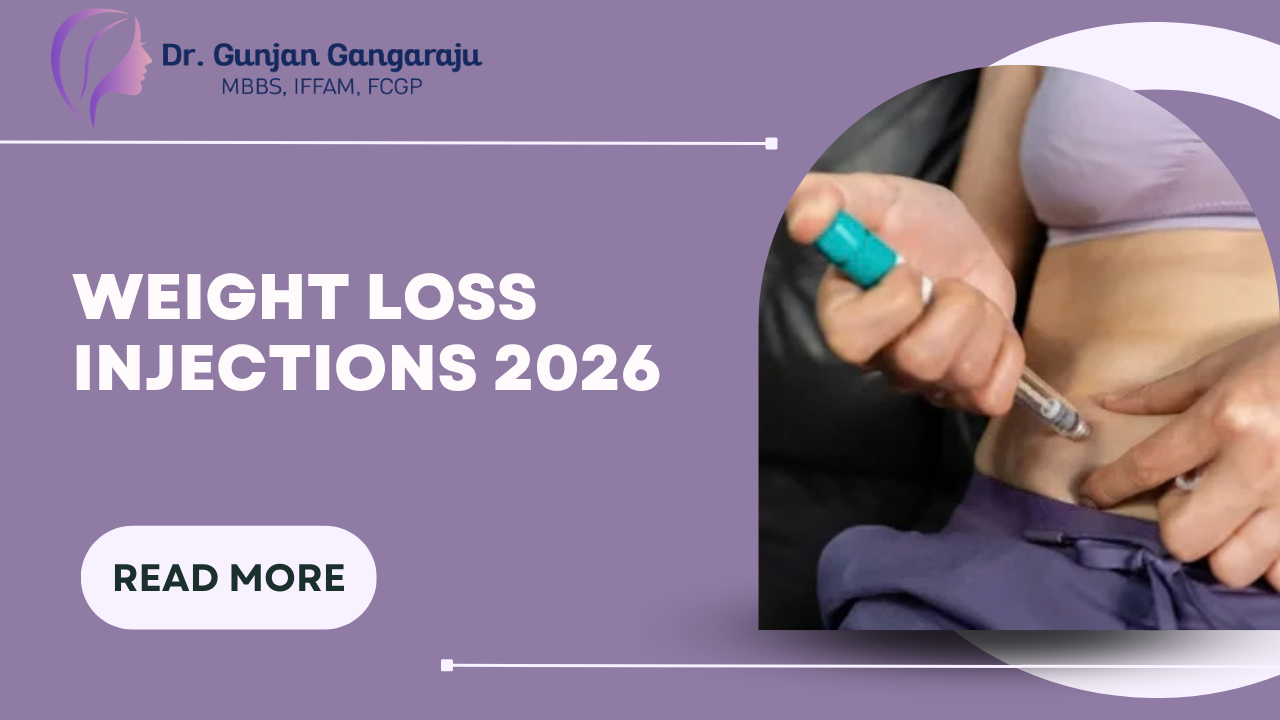
Weight loss treatment has changed significantly over the past few years. In 2026, medical weight management is moving beyond the idea of simply “eating less and exercising more” toward a more personalised approach that may include prescription medications, nutrition, physical activity, behavioural support and long-term weight-maintenance planning.
Medicines such as semaglutide and tirzepatide have already changed obesity treatment. Now, newer medications, oral treatments and next-generation therapies are expanding the possibilities further.
If you are considering weight loss injections in Kharghar or Navi Mumbai, here is what you should know about the major developments shaping medical weight management in 2026.
What’s New in Weight Loss Treatment in 2026?
Some of the most important developments include:

Newer GLP-1 and related medicines
Growing use of tirzepatide for weight management
New oral weight-management medicines
Higher-dose semaglutide options in some countries
Promising research on next-generation medicines such as retatrutide
Greater focus on maintaining muscle during weight loss
More attention to weight regain after stopping medication
Increased emphasis on long-term obesity management
Greater regulatory scrutiny of unauthorized GLP-1 sales
The biggest change is not simply that more medicines are becoming available.
Medical weight management is becoming increasingly individualised.
1. GLP-1 Medicines Continue to Transform Weight Management
GLP-1-based medicines remain central to discussions about medical weight management in 2026.
GLP-1, or glucagon-like peptide-1, is a hormone involved in appetite, fullness and glucose regulation.
Medicines that act on this pathway can help some patients:
Feel full sooner
Reduce hunger
Reduce overall food intake
Improve glucose regulation
Achieve clinically meaningful weight loss
However, GLP-1 treatment is not suitable for everyone and should not be treated as a quick cosmetic solution.
The decision to use medication should be based on medical assessment, BMI, weight-related health conditions, previous weight-loss attempts, current medications and individual treatment goals.

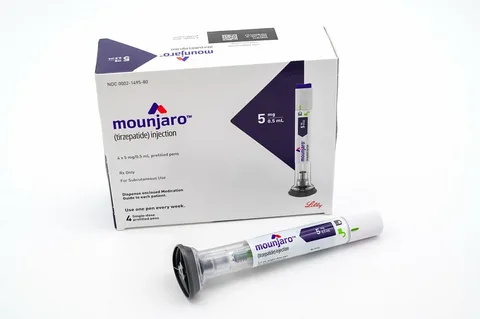
2. Mounjaro Has Expanded the Conversation Beyond Traditional GLP-1 Treatment
Mounjaro contains tirzepatide.
Unlike semaglutide, which acts primarily on GLP-1 receptors, tirzepatide acts on both:
GIP + GLP-1 receptors
This dual action influences appetite, food intake and metabolic regulation.
Clinical research has demonstrated substantial average weight reduction with tirzepatide in eligible patients over longer treatment periods.
This does not mean Mounjaro is automatically the “best” weight loss injection.
Some patients may be better suited to semaglutide, tirzepatide or another treatment depending on their:
Medical history
Metabolic health
Current medications
Treatment response
Side-effect tolerance
Weight-management goals
The appropriate medicine should be selected individually.
3. Wegovy Continues to Evolve
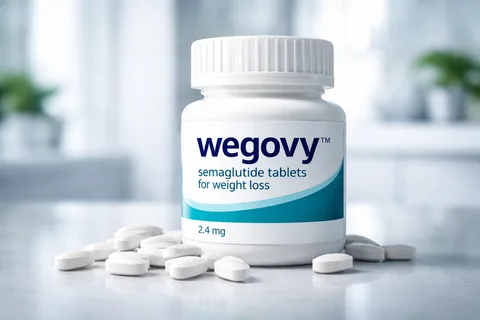
Wegovy contains semaglutide, a GLP-1 receptor agonist used for chronic weight management in eligible patients.
An important development in 2026 has been continued research into different semaglutide doses and formulations.
In the United States, a higher 7.2 mg dose of injectable Wegovy received FDA approval in March 2026 for certain adults with obesity or overweight with an associated weight-related condition.
However, regulatory approvals and available doses vary between countries.
Patients in India should therefore discuss currently approved and available treatment options locally rather than assuming every treatment reported internationally is available in Navi Mumbai.
4. Weight Loss Treatment Is Moving From Injections to Pills Too
One of the biggest developments in 2026 is the advancement of oral weight-management medicines.
Until recently, many of the most discussed modern obesity medicines required weekly injections.
That is changing.
Orforglipron is an oral GLP-1 receptor agonist that can be taken as a tablet rather than an injection.
In April 2026, the U.S. FDA approved orforglipron for chronic weight management in appropriate adults.
This development is important because future obesity treatment may provide more options for people who:
Do not like injections
Have difficulty using injectable medicines
Prefer oral treatment
Need different long-term treatment strategies
However, availability and regulatory approval vary by country.
Patients should not purchase newer medicines online simply because they have been approved elsewhere.
5. Retatrutide Is One of the Most Important Emerging Weight Loss Medicines
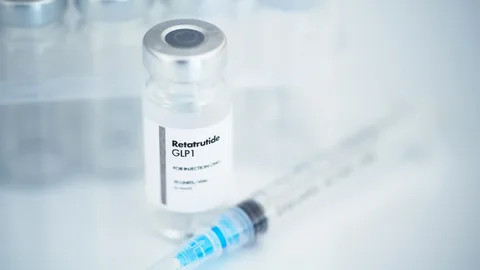
One of the most talked-about developments in obesity research in 2026 is retatrutide.
Retatrutide is different from both semaglutide and tirzepatide.
It acts on three hormone receptors:
GIP + GLP-1 + Glucagon
For this reason, it is sometimes described as a triple-receptor agonist.
In the phase 3 TRIUMPH-1 trial published in September 2026, adults with obesity without diabetes receiving retatrutide experienced substantial average weight reductions over 80 weeks.
Average reductions in body weight were approximately:
17.6% with 4 mg
23.7% with 9 mg
25.0% with 12 mg
compared with approximately 3.9% with placebo.
These results are promising, but they should not be interpreted as guaranteed individual outcomes.
Importantly, patients should also understand that promising clinical trial results do not automatically mean a medicine is currently approved or routinely available for weight-loss treatment in India.
Retatrutide should therefore be viewed as an important emerging treatment rather than something patients should attempt to obtain independently.
6. 2026 Is Bringing More Focus to Muscle Preservation
The conversation around weight loss injections is also changing.
The goal is no longer simply:
“How many kilograms did you lose?”
Doctors and researchers are increasingly interested in the quality of weight loss.
When a person loses significant body weight, some lean tissue may also be lost.
Research published in 2026 continues to highlight the importance of combining obesity medication with appropriate nutrition and physical activity to help preserve muscle.
This means a good medical weight-management programme should consider:
Adequate protein
Resistance or strength training
Overall nutrition
Physical fitness
Body composition
Functional health
Simply eating as little as possible because an injection has reduced your appetite is not an ideal strategy.
7. Protein and Strength Training Are Becoming More Important
Reduced appetite can make it easier to consume fewer calories.
But it can also make it easier to consume too little protein and other essential nutrients if the diet is not planned appropriately.
During significant weight loss, your treatment plan may therefore need to consider:
Protein Intake
Adequate protein can support muscle maintenance.
Resistance Exercise
Strength training, when medically appropriate, can help maintain muscle and physical function.
Nutrient Quality
Eating less does not automatically mean eating better. Food quality remains important even when appetite is significantly reduced.
Hydration
Patients experiencing reduced appetite or gastrointestinal symptoms should also pay attention to appropriate fluid intake.
The aim should be fat loss while preserving health and function, rather than simply achieving the lowest possible number on the weighing scale.
8. Weight Regain After Stopping Treatment Is Receiving More Attention
Another important question in 2026 is:
“What happens when I stop taking weight loss injections?”
Weight regain can occur after weight-management medication is discontinued.
Appetite may increase again, and maintaining the reduced body weight can become more difficult.
This has shifted medical thinking away from treating weight loss injections as a short-term “course.”
Obesity is increasingly managed as a chronic condition requiring long-term planning.
Before beginning treatment, patients should therefore discuss:
How long treatment may be needed
What happens after reaching their target
Nutrition during maintenance
Exercise and muscle preservation
Behavioural strategies
Whether medication may need to continue
How weight will be monitored after treatment changes
A good treatment plan should consider what happens after weight loss, not just how to achieve it.
9. Weight Loss Plateaus Are Now an Important Part of Treatment Planning
Many patients lose weight initially and then notice that progress slows.
This is known as a weight-loss plateau.
It does not necessarily mean that the medicine has stopped working.
Your doctor may need to review:
Current medication dose
Treatment duration
Calorie intake
Protein intake
Physical activity
Sleep
Stress
Other medications
Metabolic health
Treatment adherence
Automatically increasing the dose without medical guidance is not the solution.
10. Weight Loss Injection Safety Is Receiving Greater Attention in India
As GLP-1 medicines have become increasingly popular, unauthorized sales and inappropriate promotion have also become a concern.
In 2026, Indian drug regulators intensified surveillance around unauthorized sale and promotion of GLP-1 weight-loss medicines.
This is particularly important because patients may encounter weight loss injections through:
Online sellers
Social media
Unverified websites
Retail channels
Wellness providers
Prescription weight-management medicines should not be purchased simply because an online seller promises a lower price or rapid results.
Appropriate prescribing, genuine medication, correct storage, proper dosing and medical monitoring all matter.
11. Generic Options May Change the Cost Conversation
Affordability has been one of the biggest barriers to long-term medical weight management.
As more products and generic options enter the Indian market, treatment costs may change.
This could potentially make modern obesity treatment accessible to more patients.
However:
Cheaper does not automatically mean appropriate for you.
Patients should still confirm that medication is:
Legitimately sourced
Properly stored
Prescribed appropriately
Used at the correct dose
Monitored by a qualified healthcare professional
Do not switch between branded or generic medicines without medical advice.
12. Weight Loss Injections Are Becoming Part of Broader Metabolic Care
Another shift in 2026 is the growing focus on treating the health consequences associated with excess weight, rather than viewing obesity only in terms of appearance.
Depending on the individual, obesity may be associated with conditions such as:
Type 2 diabetes
Prediabetes
High blood pressure
Abnormal cholesterol
Sleep apnoea
Joint problems
Fatty liver disease
PCOS
Cardiovascular risk
Modern weight management therefore increasingly focuses on improving overall health—not simply achieving a particular clothing size.
13. Personalised Treatment Is Replacing the “One Injection for Everyone” Approach
One of the most important lessons from recent obesity research is that there is no universal “best” weight loss injection.
A treatment that works well for one person may not be appropriate for another.
Your doctor may consider:
BMI
Waist circumference
Age
Weight history
Existing health conditions
Blood glucose
Current medicines
Previous weight-loss attempts
Side-effect risk
Eating behaviour
Physical activity
Treatment goals
This is why choosing between Mounjaro, Wegovy, semaglutide, tirzepatide or other options should begin with medical assessment rather than social-media recommendations.
What Should You Ask Before Starting Weight Loss Injections in 2026?
Before starting treatment, consider asking your doctor:
Am I medically eligible for weight loss medication?
Which medicine is most appropriate for me?
What results are realistic for my starting weight?
What side effects should I expect?
What tests do I need?
How will my dose be increased?
How should I change my diet?
How can I protect my muscle while losing weight?
How frequently will I need follow-up?
What happens when I reach my target weight?
Could my weight return after stopping treatment?
What is my long-term weight-maintenance plan?
These questions are more useful than simply asking:
“Which injection causes the fastest weight loss?”
Weight Loss Injections in Kharghar, Navi Mumbai: What Should Patients Know?
If you are considering weight loss injections in Kharghar or Navi Mumbai in 2026, avoid selecting treatment solely based on advertisements, online transformation photos or someone else's results.
A medical assessment can help determine whether prescription weight-management medication is appropriate for you.
Your treatment plan may consider:
Your starting weight and BMI
Medical and metabolic health
Previous weight-loss attempts
Current medications
Nutrition
Physical activity
Muscle preservation
Treatment response
Side effects
Long-term weight maintenance
The goal should be to develop a personalised and sustainable weight-management strategy, rather than simply prescribing an injection.
Frequently Asked Questions
Semaglutide and tirzepatide remain important prescription options, while newer therapies such as retatrutide are progressing through advanced research. Availability and regulatory approval differ between countries.
Major developments include oral GLP-1 medications, higher-dose semaglutide options in some markets and promising phase 3 research involving triple-receptor agonists such as retatrutide.
Retatrutide has shown substantial weight reduction in phase 3 research, but comparing medicines based solely on trial percentages is inappropriate. Tirzepatide has established clinical use, while retatrutide remains an emerging treatment whose approval and availability should be checked in the relevant country.
Not yet. However, oral GLP-1 medicines are expanding treatment options and may become increasingly important for patients who prefer tablets over injections.
Some lean mass can be lost during significant weight reduction. Appropriate nutrition, sufficient protein and resistance exercise may help support muscle preservation.
Some patients regain weight after treatment is stopped. This is why long-term nutrition, physical activity and weight-maintenance planning are important.
Prescription weight-loss medicines should only be obtained through legitimate channels following appropriate medical advice. In 2026, Indian regulators increased surveillance of unauthorized GLP-1 sales and promotion.
There is no single best injection for everyone. The appropriate medicine depends on your medical history, BMI, metabolic health, current medications, treatment goals, side-effect risk and individual response.
Patients considering medically supervised weight management in Kharghar and Navi Mumbai can consult Dr. Gunjan Gangaraju for an individual assessment and treatment planning.
Considering Medical Weight Management in Navi Mumbai?
2026 is bringing important changes to obesity treatment, from newer GLP-1 medicines and oral therapies to greater attention to muscle preservation, long-term maintenance and personalised treatment.
But newer does not automatically mean better for every patient.
If you are struggling to manage your weight despite lifestyle changes, a medical assessment can help determine whether prescription weight-management treatment is appropriate for you.
Consult Dr. Gunjan Gangaraju in Kharghar, Navi Mumbai, to discuss your weight-management goals and understand which medically supervised options may be suitable for you.
Disclaimer: This article is for educational purposes only. Medication approvals, availability and indications vary by country and can change. Prescription weight-management medicines should only be used after appropriate medical assessment and under professional supervision.