
PRP Skin Rejuvenation in Kharghar, Navi Mumbai
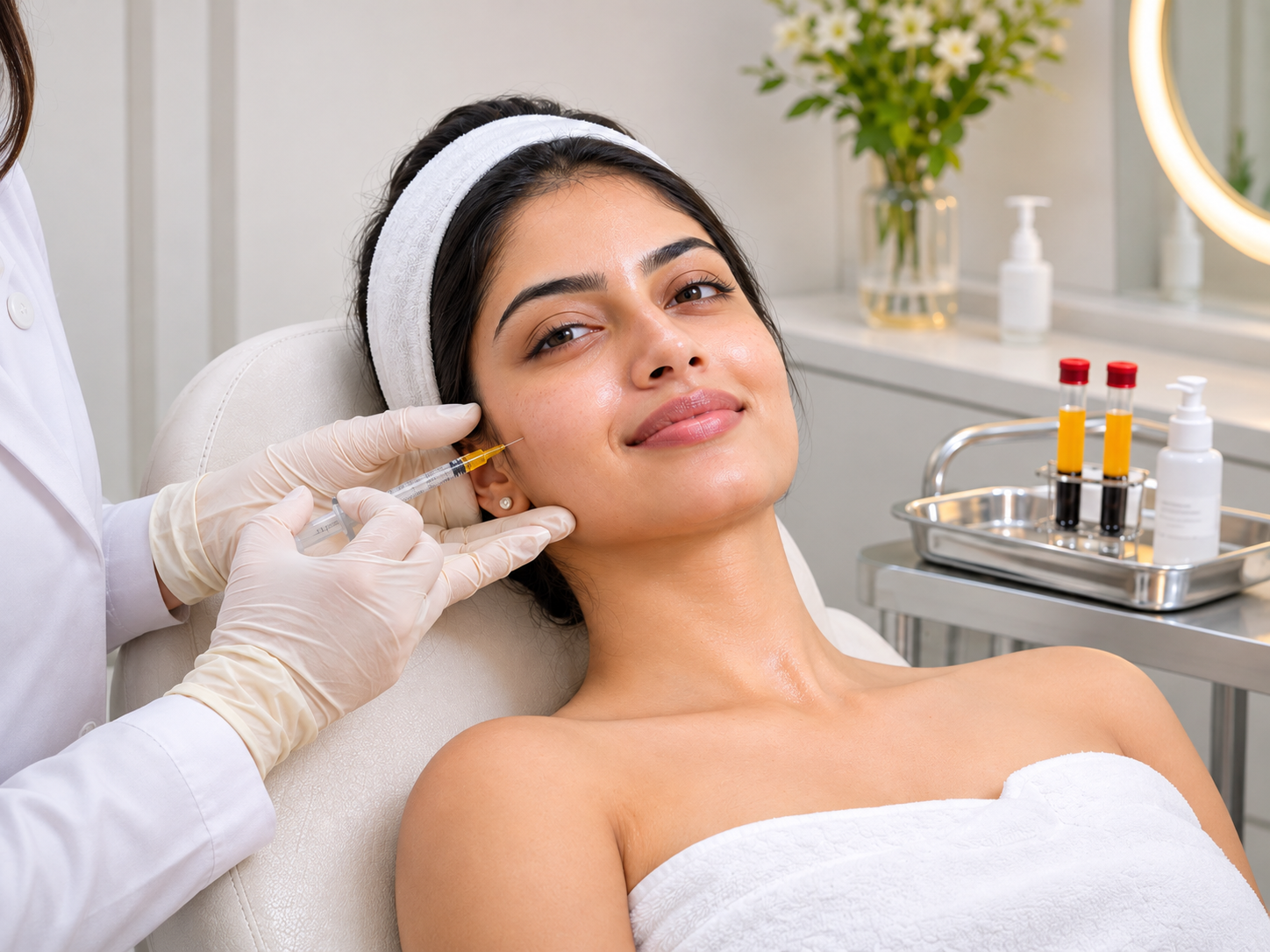
PRP Skin Rejuvenation in Kharghar, Navi Mumbai
Platelet-Rich Plasma Therapy for Skin Texture, Fine Lines and Age-Related Skin Changes
Fine lines appearing around your eyes, a rougher skin texture or gradual loss of firmness can be part of the natural ageing process. Sun exposure, lifestyle factors and changes in collagen production may also affect how your skin looks and feels.
PRP Skin Rejuvenation in Kharghar, Navi Mumbai is a minimally invasive aesthetic procedure that uses platelet-rich plasma prepared from a patient's own blood. It is being used and studied for improvements in selected aspects of facial skin quality, including texture, elasticity and fine lines.
At Yuvani Aesthetic Clinic, Dr. Gunjan Gangaraju provides PRP skin rejuvenation consultations and treatment based on individual skin concerns, medical suitability and realistic expectations.
What Is PRP Skin Rejuvenation?
PRP (Platelet-Rich Plasma) Skin Rejuvenation is an aesthetic procedure in which a small sample of the patient's blood is processed to obtain plasma containing a higher concentration of platelets.
Platelets contain growth factors and other biological components involved in the body's natural tissue-repair processes.
When PRP is administered to selected areas of the skin, these components may influence cellular activity associated with collagen formation and tissue remodelling.
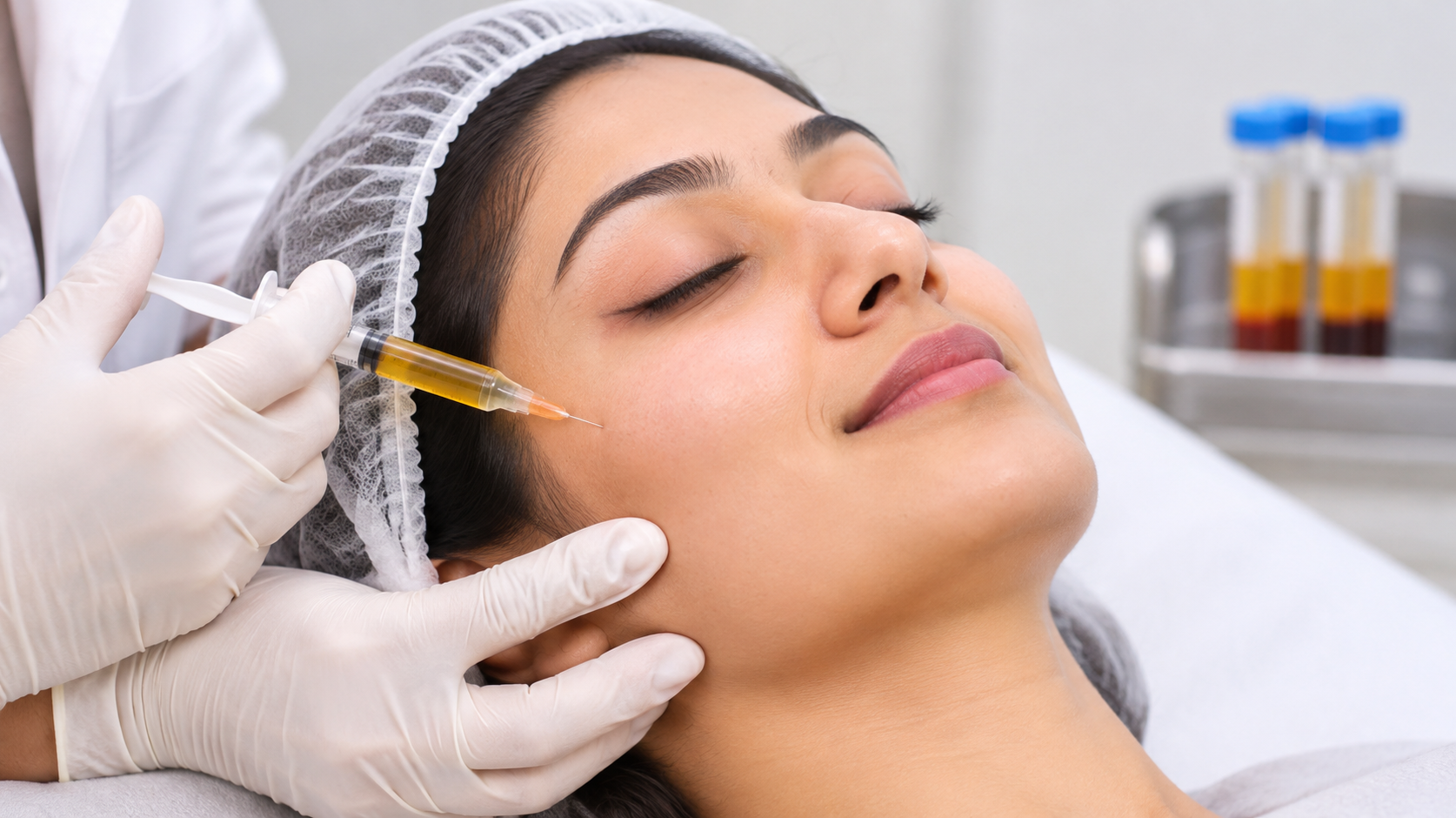
PRP facial treatment is commonly discussed for early skin ageing, uneven texture and certain superficial skin-quality concerns.
Although clinical studies have shown encouraging results, the quality of evidence varies. PRP should not be considered a guaranteed solution for wrinkles, pigmentation or skin laxity.
How Does PRP Work for Skin Rejuvenation?
Skin naturally contains collagen and elastin, which contribute to its structure and elasticity. Over time, ageing and environmental exposure can alter these components.
PRP works by concentrating platelets from the patient's blood. Once activated, the platelets release growth factors that participate in tissue repair.
Research suggests that PRP may influence:

Collagen-related activity: Supporting biological pathways involved in maintaining skin structure.
Tissue remodelling: Encouraging cellular processes associated with repair.
Skin elasticity: Potentially improving selected measures of skin firmness.
Skin texture: Contributing to smoother-looking skin in some patients.
The degree of improvement differs between individuals and depends on the preparation method, treatment technique and underlying skin condition.
Potential Benefits of PRP Skin Treatment
PRP has been investigated for several facial rejuvenation concerns. Its potential benefits should be understood in the context of the available scientific evidence.
1. Fine Lines and Early Wrinkles: Fine lines commonly appear around the eyes, forehead and mouth as the skin ages. Some clinical studies suggest that PRP may improve the appearance of selected fine lines by influencing skin-remodelling processes. However, it does not work like Botox and is not a substitute for treatments specifically designed for expression lines.
2. Uneven Skin Texture: Changes in skin texture can make the face appear rough or less smooth. PRP has shown potential to improve certain measures of facial texture, particularly in patients with early age-related or sun-related skin changes.
3. Reduced Skin Elasticity: Loss of elasticity can contribute to changes in skin firmness. Clinical research has reported some improvements in skin elasticity following platelet-based treatments, although results are not consistent across all studies.
4. Dull-Looking Skin: Some patients seek PRP treatment because their skin appears tired or uneven. Improvements in overall skin quality may make the skin appear smoother, but PRP is not a proven treatment for generalised pigmentation or skin whitening.
5. Certain Acne Scar Concerns: PRP has also been studied as an additional treatment alongside procedures such as microneedling and fractional laser therapy for acne scars. Its role depends on the scar type and the procedure used. PRP alone should not be expected to correct deep or tethered acne scars.
6. Under-Eye Skin Quality: PRP has been investigated for selected concerns involving fine lines and skin quality around the eyes. However, dark circles may result from pigmentation, facial anatomy, vascular factors or loss of volume. PRP cannot address every cause of under-eye darkness or hollowness.
Which Skin Concerns Can Be Assessed for PRP Treatment?
People considering PRP facial treatment may have concerns such as:
Mild fine lines and early signs of ageing
Uneven or rough facial texture
Reduced skin elasticity
Selected sun-related skin changes
Mild skin-quality changes around the eyes
Certain acne scars requiring combination treatment
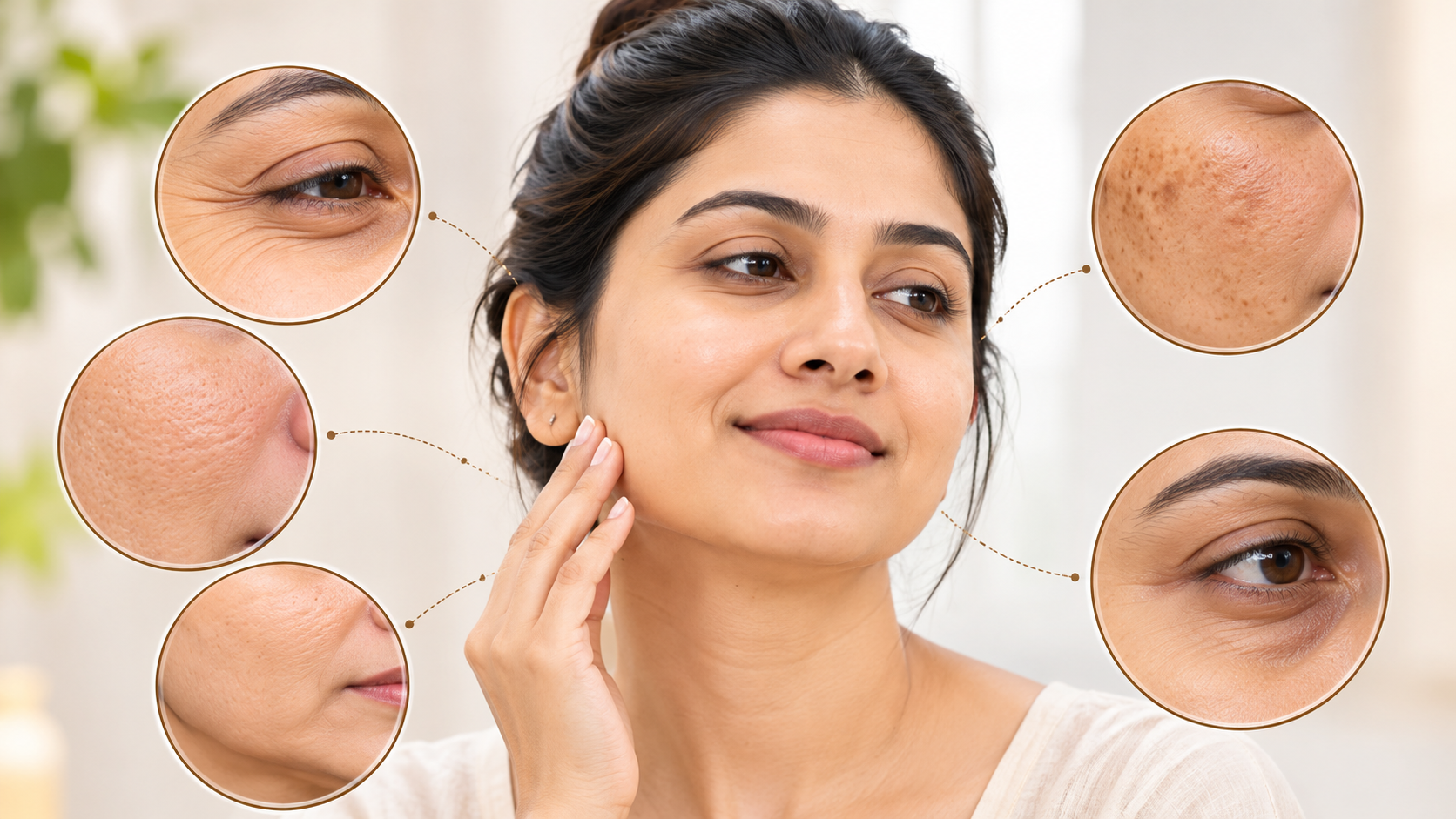
PRP is not automatically suitable for every concern. Conditions such as active acne, melasma, significant skin laxity or deep wrinkles may require different treatment approaches. A skin assessment helps identify the underlying problem before selecting a procedure.
How Is PRP Skin Rejuvenation Performed?
PRP facial treatment generally involves collecting and processing a small amount of blood, followed by administration to the selected treatment area. The exact technique can vary.
Skin Consultation
Dr. Gunjan Gangaraju assesses the patient's skin concerns, medical history, previous cosmetic procedures and treatment expectations. The consultation also includes identifying factors that could make PRP unsuitable.
Blood Collection
A small amount of blood is collected from the patient's arm using sterile equipment. The collected sample is prepared for processing.
PRP Preparation
The blood sample is placed in a centrifuge, which separates its components according to density. The platelet-rich portion is then collected using the preparation system selected by the clinician. Different PRP preparation systems can produce different platelet concentrations and compositions.
PRP Application
Depending on the treatment plan, PRP may be administered through carefully placed superficial injections or used in association with a microneedling procedure. The clinician determines the appropriate technique after evaluating the treatment area and associated risks.
Post-Treatment Care
After the procedure, the skin is assessed for any immediate reactions. Patients receive instructions regarding cleansing, skincare products, sun protection and signs of complications.
PRP Facial vs Vampire Facial: Is There a Difference?
The terms PRP facial and Vampire Facial are sometimes used interchangeably, but they do not always describe exactly the same procedure.
PRP Facial Treatment: A broader term for facial rejuvenation procedures using platelet-rich plasma. PRP may be injected into selected areas or used with another procedure.
Vampire Facial: A commonly used marketing term that generally refers to microneedling combined with PRP.
The treatment method, potential benefits and recovery depend on the actual procedure performed rather than its marketing name. Patients should ask their clinician which technique is being recommended and why.
Who May Be Suitable for PRP Skin Rejuvenation?
PRP may be considered for selected adults with mild skin-quality concerns who understand the procedure's potential benefits and limitations. Suitability depends on:
Skin condition and treatment goals
General health
Platelet count and relevant blood disorders
Current medications
History of skin infections
Previous aesthetic procedures
Ability to follow aftercare instructions
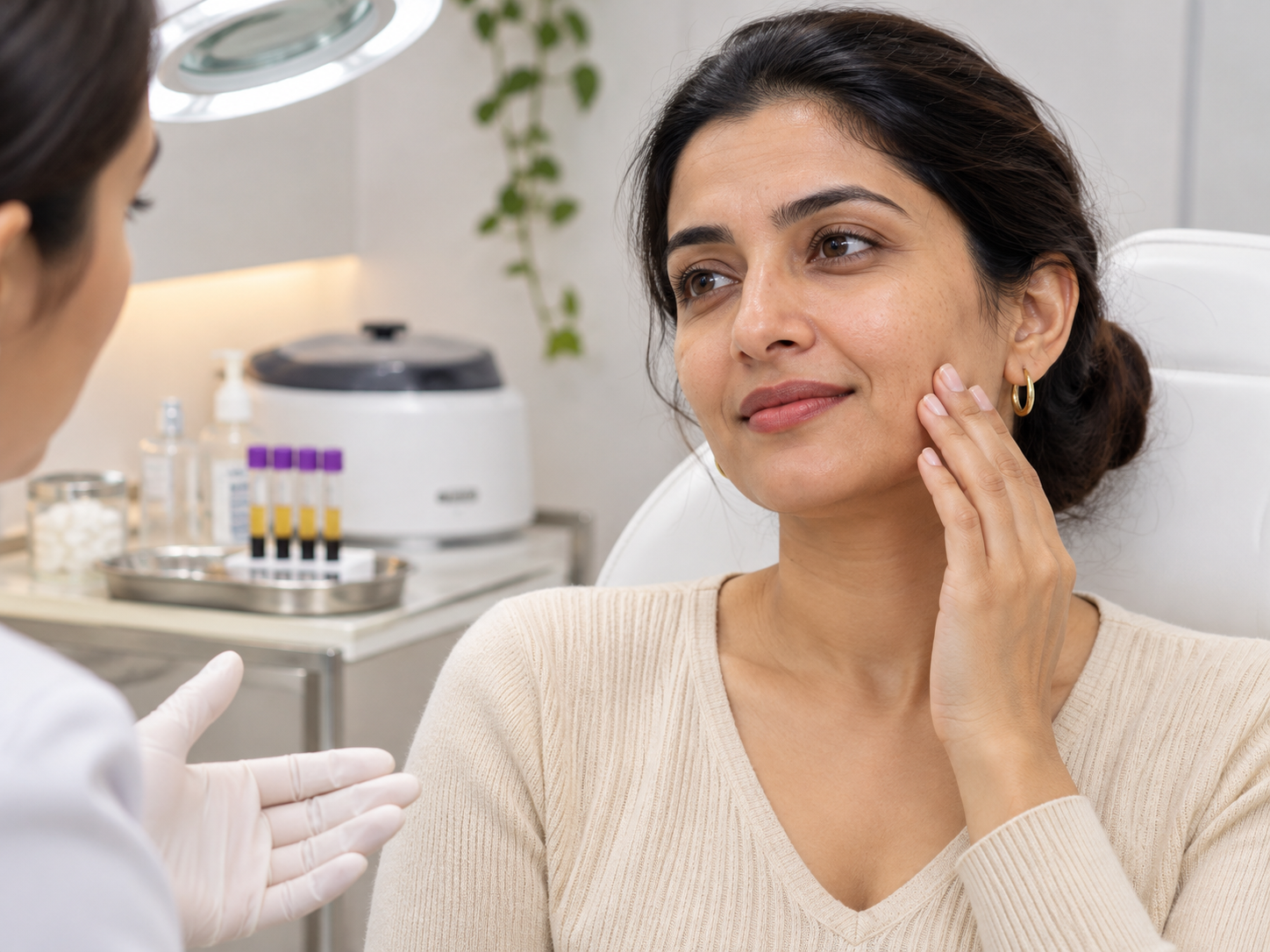
PRP is not appropriate for everyone. Clinical examination and medical-history review are essential before proceeding.
Who Should Avoid PRP Facial Treatment?
PRP treatment may be unsuitable or require additional assessment in people with:
Significant platelet disorders or thrombocytopenia
Certain blood-clotting disorders
Active infection or inflammation at the treatment site
Serious systemic infections
Some conditions affecting blood or platelet function
Use of anticoagulant or antiplatelet medication
Certain uncontrolled medical conditions
Pregnancy or breastfeeding, where cosmetic procedural safety data are limited
Patients should disclose all medicines and supplements. Prescribed medication should never be stopped without advice from the treating doctor.
Is PRP Skin Rejuvenation Safe?
PRP uses the patient's own blood, which reduces some risks associated with introducing foreign biological material. However, the procedure is not risk-free.
Possible side effects include:
Temporary redness
Mild swelling
Injection-site discomfort
Bruising
Tenderness
Temporary skin sensitivity
Infection
Rare nerve, tissue or blood-vessel injury
Important Clinical Notice
Appropriate patient selection, sterile preparation, trained administration and post-procedure monitoring are important safety considerations. Serious or worsening pain, unusual skin discolouration, visual symptoms or signs of infection require prompt medical assessment.
What Is the Recovery Time After PRP Skin Treatment?
Recovery varies according to whether PRP is injected, combined with microneedling or used alongside another procedure. Some patients experience temporary redness, swelling or tenderness. Mild bruising can persist for several days. Procedures involving deeper microneedling or combination therapies may require additional recovery time.
General Aftercare Advice
Clean the treated area as advised by the clinician.
Avoid scratching or rubbing irritated skin.
Use gentle skincare products during the initial recovery period.
Follow instructions regarding makeup and active ingredients.
Protect the skin from excessive sun exposure.
Avoid unnecessary touching of injection sites.
Contact the clinic if redness, swelling or discomfort worsens unexpectedly.
The treating clinician should provide instructions specific to the procedure performed.
How Many PRP Sessions Are Needed for Skin Rejuvenation?
There is no single universally accepted PRP treatment schedule for facial rejuvenation. Clinical studies have used different preparation systems and treatment intervals. Some protocols involve multiple sessions spaced several weeks apart, while others examine a single treatment.
The number of sessions considered depends on the patient's skin concerns, response and treatment plan. Repeat procedures should be based on reassessment rather than a guaranteed package of sessions.
When Can You See Results After PRP Facial Treatment?
Changes in skin texture and quality, when they occur, generally develop gradually rather than immediately. Some clinical studies have assessed outcomes over several weeks or months following treatment.
The visible response can vary according to age, skin condition, PRP preparation and procedural technique. Not every patient experiences noticeable improvement, and the long-term durability of cosmetic results remains uncertain.
PRP vs Skin Boosters vs Microneedling
PRP, skin boosters and microneedling are different approaches to improving selected skin concerns.
| Treatment | How It Works | Commonly Considered For |
|---|---|---|
| PRP Skin Rejuvenation | Uses platelet-rich plasma prepared from the patient's blood | Selected skin texture and ageing-related concerns |
| Skin Boosters | Often use hyaluronic acid-based formulations | Skin hydration and quality, depending on product |
| Microneedling | Creates controlled micro-injuries to stimulate a healing response | Texture, selected scars and fine lines |
| PRP with Microneedling | Combines microneedling with a platelet-rich preparation | Selected texture and scar-related concerns |
These treatments are not interchangeable. Their risks, evidence and suitability differ.
PRP Skin Rejuvenation Cost in Kharghar, Navi Mumbai
The cost of PRP skin rejuvenation depends on the treatment method, preparation system and individual clinical requirements. Factors that may influence pricing include:
Treatment area
PRP preparation system
Number of sessions considered
PRP injections versus combination procedures
Additional procedural requirements
Follow-up care
PRP skin rejuvenation and PRP hair treatment may involve different treatment areas and protocols, so their costs should not be assumed to be identical. Patients can request a personalised cost estimate following consultation.
PRP Skin Rejuvenation with Dr. Gunjan Gangaraju in Kharghar
Dr. Gunjan Gangaraju is an aesthetic physician at Yuvani Aesthetic Clinic in Kharghar, Navi Mumbai.
Qualifications: MBBS, IFAAM, FCGP
Her published professional profile describes experience in aesthetic medicine, anti-ageing treatments and skin-health management.
For PRP facial rejuvenation, the consultation focuses on the patient's skin concerns, medical suitability and treatment expectations. The assessment may include discussion of PRP preparation, potential benefits, procedural risks, recovery requirements and alternative aesthetic treatments. The objective is to support informed treatment decisions based on individual skin needs.
Frequently Asked Questions About PRP Skin Rejuvenation
PRP skin rejuvenation is an aesthetic procedure using platelet-rich plasma prepared from a patient's own blood. It is used and studied for improving selected measures of skin texture, elasticity and fine lines.
Some studies report improvements in facial skin quality after PRP treatment. However, evidence quality varies, and results are not guaranteed for every patient.
PRP may improve the appearance of certain fine lines, but it cannot reliably remove wrinkles or replace treatments designed for deeper wrinkles and expression lines.
Patients may experience discomfort during blood collection or skin injections. A topical anaesthetic may be considered depending on the procedure. Pain levels vary.
There is no universal session count. The clinician determines an individual plan based on skin assessment, expected response and the available evidence.
PRP has been studied as an additional treatment alongside microneedling and laser procedures for certain acne scars. Its effectiveness depends on scar type and treatment combination.
PRP has been investigated for some under-eye skin-quality concerns, but it cannot address every cause of dark circles. Pigmentation, hollowness and vascular factors may need different management.
Neither treatment is universally better. PRP uses the patient's blood-derived platelets, while many skin boosters contain hyaluronic acid. Their effects and clinical indications differ.
Temporary redness, swelling, bruising or tenderness may occur. Recovery varies depending on the application method and whether other procedures are combined.
There is no established duration that applies to everyone. Long-term outcomes vary, and stronger evidence is needed to define how long cosmetic improvements typically persist.
Cost depends on the procedure, preparation system, treatment area and number of sessions. An individual estimate can be discussed during consultation.
PRP is sometimes combined with microneedling for selected skin concerns. The additional benefit is not consistently established, so the decision should follow medical assessment.
Not necessarily. Suitability depends on the reason for skin sensitivity, active inflammation and other medical factors. A skin examination is required.
Patients can consult Dr. Gunjan Gangaraju at Yuvani Aesthetic Clinic in Kharghar, Navi Mumbai, to discuss PRP facial rejuvenation, suitability and available alternatives.
Explore PRP Skin Rejuvenation in Kharghar, Navi Mumbai
Concerns such as fine lines, changes in skin texture and reduced elasticity may have different causes. A professional assessment can help you understand which treatments may be appropriate and what outcomes are realistic.
Medical Disclaimer
This content is intended for general patient education and does not replace personalised medical advice. PRP facial rejuvenation has promising but variable clinical evidence. Individual outcomes cannot be guaranteed. Treatment suitability and associated risks should be discussed with a qualified medical professional.
Our Treatments
