
Exosome Skin Treatment in Kharghar, Navi Mumbai
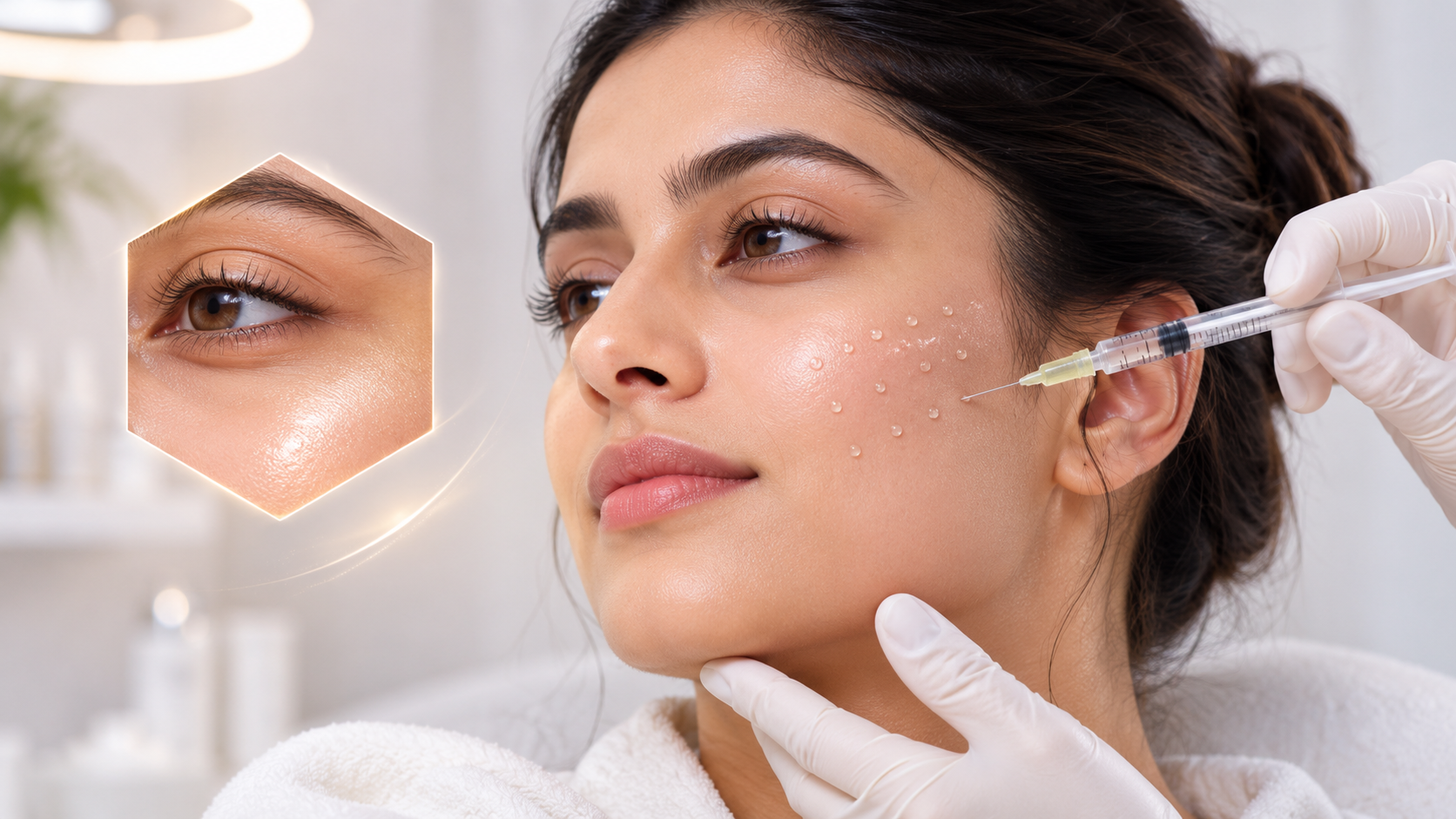
Exosome Skin Treatment in Kharghar, Navi Mumbai
Understanding Exosome Therapy for Skin Rejuvenation and Regenerative Aesthetic Care
Fine lines, uneven skin texture, reduced elasticity and dull-looking skin are common concerns that develop with ageing, sun exposure and environmental factors. While established aesthetic treatments can address many of these changes, researchers are also investigating newer regenerative approaches.
Exosome Skin Treatment in Kharghar, Navi Mumbai is an emerging area of aesthetic medicine involving extracellular vesicles that carry biological signalling molecules. Exosomes are being studied for their potential role in skin repair, collagen-related activity and rejuvenation.
At Yuvani Aesthetic Clinic, Dr. Gunjan Gangaraju provides aesthetic consultations for individuals concerned about changes in skin texture, firmness and overall skin quality.
Patients researching exosome facial treatments can discuss their concerns, the current scientific evidence, possible risks and established treatment alternatives.
Medical & NMC Compliance Note
Exosome-based aesthetic procedures remain experimental. The Association of Cutaneous Surgeons of India (ACSI) does not recommend their routine clinical use, and the US FDA has not approved exosome products for aesthetic treatments. Their effectiveness, long-term safety and regulatory suitability must be carefully evaluated before any clinical use.
What Is Exosome Skin Treatment?
Exosome Skin Treatment refers to the use of exosome-containing or extracellular vesicle-based preparations that are being investigated for their potential effects on skin health and rejuvenation.
Exosomes are tiny membrane-bound particles released by cells. They form part of the body's natural system of communication between cells.
These particles may carry biological substances, including:

Proteins
Lipids
Messenger RNA (mRNA)
MicroRNA (miRNA)
Other cell-signalling molecules
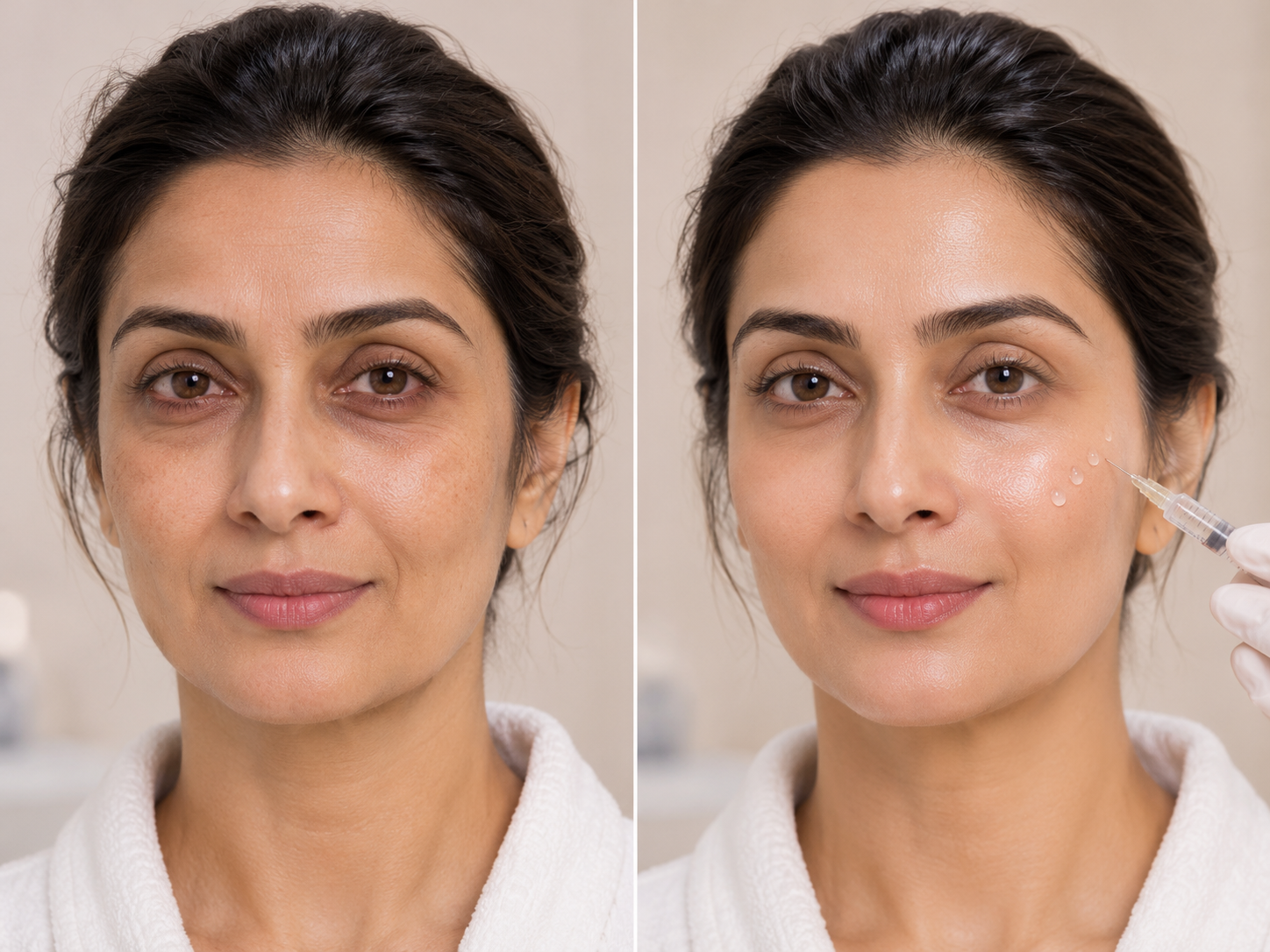
Through these components, exosomes can influence how cells communicate and respond to their environment. Researchers are investigating whether certain exosome preparations can support biological processes involved in skin repair, inflammation and tissue maintenance.
However, exosome-containing products vary considerably in their source, purity, composition and manufacturing methods. Not every product marketed as an exosome treatment contains the same biologically active components, and cosmetic benefits cannot be assumed.
How Do Exosomes Work for Skin Rejuvenation?
Healthy skin relies on continuous communication between different types of cells. These signals influence collagen production, tissue repair and maintenance of the skin barrier. Exosomes naturally participate in cell-to-cell communication by transferring biological material between cells.
In laboratory and early clinical research, certain extracellular vesicle preparations have been investigated for their possible influence on:
1. Collagen-Related Activity
Collagen helps maintain skin structure and firmness. Some laboratory studies suggest that selected exosome preparations may affect fibroblasts, the cells involved in producing collagen and other components of the skin's extracellular matrix. However, these findings do not establish that every commercial exosome product increases collagen in human skin.
2. Skin Repair and Tissue Remodelling
Exosome-related signalling pathways may participate in processes associated with tissue maintenance and recovery. Researchers are examining whether these mechanisms could contribute to changes in skin quality.
3. Inflammatory Responses
Certain extracellular vesicles have demonstrated effects on inflammatory pathways in experimental studies. Their potential clinical application for skin-related inflammation requires further investigation.
4. Skin Ageing Processes
Early research has examined the influence of exosomes on cellular pathways associated with skin ageing. Although preliminary findings are encouraging, long-term benefits and safety remain uncertain.
Potential Benefits of Exosome Skin Rejuvenation
Exosome-based therapies are being researched for several skin concerns. The following are potential applications under investigation, not established treatment outcomes.
1. Fine Lines and Early Wrinkles: Fine lines commonly develop around the eyes, forehead and mouth as collagen and elasticity change with age. Some early human studies involving exosome-based preparations have reported improvements in selected measures of facial wrinkles. However, current evidence is insufficient to establish predictable wrinkle reduction or to recommend routine exosome treatment.
2. Uneven Skin Texture: Skin texture may become uneven because of ageing, sun exposure, acne-related changes or other conditions. Researchers have investigated whether extracellular vesicle preparations can influence tissue-remodelling pathways associated with skin smoothness. Results vary between products and studies.
3. Reduced Skin Elasticity: Loss of elasticity can make facial skin appear less firm. Early clinical research has reported possible improvements in elasticity with certain exosome-containing preparations. These findings require confirmation through larger, well-designed clinical trials.
4. Dryness and Skin Hydration: Skin hydration is influenced by the skin barrier, environmental conditions and individual skincare habits. Some studies have examined changes in hydration following topical exosome-containing formulations. However, exosome treatment should not be considered a replacement for established moisturising and skin barrier care.
5. Uneven Skin Tone: Pigmentation changes can occur because of sun exposure, inflammation, hormonal factors and other causes. Certain exosome preparations have been studied for their possible influence on pigmentation-related pathways. There is insufficient evidence to recommend exosomes as a standard treatment for melasma, hyperpigmentation or skin brightening.
6. Acne-Related Skin Texture and Scars: Exosome-based products have been investigated alongside procedures such as fractional laser treatment and microneedling in selected studies. However, evidence remains limited, and the results cannot be generalised to all acne scar types. Established scar treatments should be considered based on scar depth, type and individual skin characteristics.
7. Skin Recovery After Aesthetic Procedures: Some research has investigated topical extracellular vesicle preparations following certain skin procedures. These studies have explored possible effects on recovery and skin-quality outcomes. However, it remains uncertain whether adding an exosome product consistently improves recovery compared with standard post-procedure care.
Which Skin Concerns May Be Discussed During an Exosome Consultation?
Individuals researching Exosome Skin Rejuvenation in Navi Mumbai may have concerns such as:
Fine lines and early ageing-related changes
Rough or uneven skin texture
Reduced skin elasticity
Dull-looking skin
Dryness or changes in skin quality
Uneven pigmentation
Selected acne-related textural concerns
Skin changes following previous aesthetic procedures
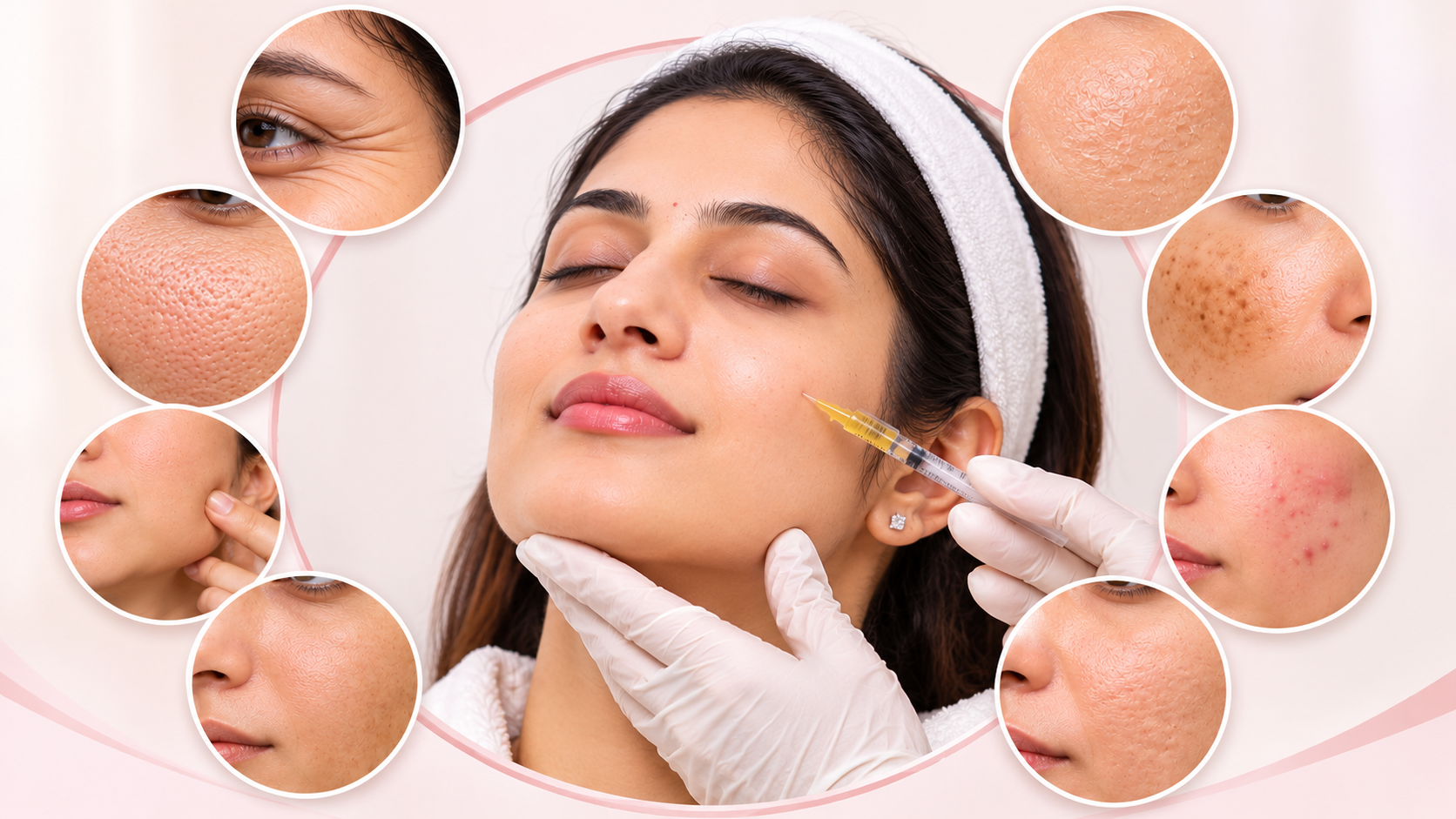
These concerns do not establish that exosome treatment is appropriate. An assessment is important because pigmentation, wrinkles, acne scars and skin laxity have different underlying causes. Established treatments may offer stronger evidence, clearer safety information and more predictable outcomes.
What Types of Exosomes Are Used in Skin Research?
Exosomes and extracellular vesicle preparations can originate from different biological sources:
Human Cell-Derived Exosomes
Some research involves extracellular vesicles obtained from cultured human cells, including mesenchymal stromal cells. These preparations require careful evaluation of their biological source, manufacturing quality, purity and regulatory requirements.
Plant-Derived Vesicles
Plant-derived extracellular vesicle-like particles are also being investigated in cosmetic formulations. Their composition and biological effects may differ significantly from human cell-derived exosomes.
Other Biological Sources
Researchers have also studied extracellular vesicles from sources such as platelets and milk. Products from different sources should not be considered clinically interchangeable.
Important Manufacturing Notice
Marketing descriptions such as "stem cell exosomes" or "regenerative exosomes" do not establish that a product has been clinically proven, approved or appropriately manufactured.
How Is Exosome Skin Treatment Performed?
Exosome-based aesthetic interventions have been investigated using different administration techniques. However, there is no universally accepted, evidence-based protocol for routine facial rejuvenation.
The following describes how proposed procedures should be assessed rather than recommending a particular method.
Skin Consultation
The clinician evaluates the patient's skin concerns, medical history, skincare routine and previous aesthetic treatments. The consultation helps identify the underlying concern and determine which established treatments may be suitable.
Skin Assessment
The skin may be assessed for fine lines and wrinkles, texture, elasticity, pigmentation, acne scars, barrier-related concerns and active infection or inflammation. A proper diagnosis helps prevent unnecessary procedures.
Product Evaluation
If an exosome-containing product is being considered, the clinician must review its biological source, manufacturing and quality documentation, intended use, composition, sterility, regulatory authorisation and clinical safety data. Marketing claims alone are not sufficient evidence.
Discussion of Administration Methods
Published studies have investigated topical application and other methods, sometimes alongside microneedling or laser procedures. These approaches differ in risk and evidence. Injectable exosome products raise particular safety and regulatory concerns and should not be considered established cosmetic treatments.
Follow-Up and Skin Care
Follow-up requirements depend on the product and procedure involved. Patients should receive advice on skin protection, expected reactions and symptoms that may require medical attention. There is no standard cosmetic exosome treatment schedule that can be recommended for everyone.
Exosome Treatment vs PRP vs GFC vs PDRN
These treatments are discussed within regenerative aesthetic medicine, but they are biologically different and have varying levels of clinical evidence.
| Treatment | Main Component | Skin Application |
|---|---|---|
| Exosome Therapy | Extracellular vesicles containing signalling molecules | Experimental skin rejuvenation applications |
| PRP Therapy | Platelet-rich plasma prepared from the patient's blood | Studied for selected skin-quality and scar-related concerns |
| GFC Therapy | Concentrated platelet-derived growth factors | Emerging skin rejuvenation application |
| PDRN Treatment | Purified DNA fragments | Investigational tissue-repair and skin-quality applications |
| Skin Boosters | Often hyaluronic acid-based formulations | Used for hydration and selected skin-quality concerns, depending on the product |
No treatment should be considered superior solely because it is newer or marketed as regenerative. The available evidence, product approval, procedural safety and individual skin condition should guide treatment selection.
Who Should Be Cautious About Exosome Skin Treatment?
Because exosome-based cosmetic applications remain experimental, they should not be considered routine care for otherwise healthy individuals seeking facial rejuvenation. Additional safety concerns may be relevant for people with:
Active skin infections
Significant inflammatory skin conditions
A history of severe allergic reactions
Certain immune-related medical conditions
Conditions affecting wound healing
Pregnancy or breastfeeding
Previous complications from injectable or regenerative products
Medical conditions that increase procedural risks

The long-term safety of many exosome-based formulations has not been established, including in otherwise healthy adults.
Are There Any Side Effects of Exosome Skin Treatment?
Possible risks depend on the product, its source, manufacturing quality and method of administration. Potential adverse effects include:
Temporary redness or irritation
Swelling or tenderness
Allergic or inflammatory reactions
Infection or contamination-related complications
Unexpected tissue reactions
Granuloma formation
Tissue damage following certain injectable procedures
Urgent Medical Consideration
Serious complications have been reported with some unapproved exosome-containing products. A product described as natural, cell-free or regenerative is not automatically safe. Patients experiencing severe pain, unusual swelling, skin discolouration, fever or visual changes after a facial procedure should seek prompt medical care.
What Is the Recovery Time After Exosome Skin Treatment?
There is no standard recovery period for exosome-based facial treatment. Recovery depends on the actual intervention and whether additional procedures have been performed.
For example, a conventional topical skincare product may not require procedural recovery, whereas microneedling or laser resurfacing can cause temporary redness, sensitivity and skin barrier disruption. Any recovery time associated with those procedures should not automatically be attributed to the exosome product.
General Skin Care Considerations
Follow instructions provided by the treating clinician.
Avoid unnecessary rubbing of irritated skin.
Use gentle cleansing and moisturising products when appropriate.
Protect the skin from excessive sunlight.
Avoid unverified products on recently treated skin.
Report unexpected reactions promptly.
How Many Exosome Skin Treatment Sessions Are Required?
There is no universally accepted session count for cosmetic exosome treatment. Published studies use different preparations, application techniques and follow-up schedules. As a result, treatment schedules cannot be standardised across all exosome-containing products.
Claims that a fixed number of sessions will produce guaranteed rejuvenation are not supported by current evidence.
When Can Results Be Expected from Exosome Skin Rejuvenation?
There is no reliable timeline for visible results that applies to all exosome-based aesthetic products. Some studies have reported short-term changes in measurements such as skin texture, wrinkles, hydration or elasticity.
However, these results vary by product and treatment method, and long-term effectiveness remains uncertain. Visible improvement cannot be guaranteed, and it is not yet clear how long any benefit may last.
Exosome Treatment for Face vs Hair: What Is the Difference?
Exosome skin and hair applications involve different treatment goals:
Exosome Treatment for Skin is being studied for facial skin quality, fine lines, elasticity, pigmentation and recovery-related processes.
Exosome Treatment for Hair is being investigated for its possible influence on hair follicles, scalp biology and selected forms of hair thinning.
Research involving one treatment area does not automatically establish effectiveness or safety in another. Patients concerned about hair loss should undergo a scalp assessment to identify possible causes such as androgenetic alopecia, nutritional deficiencies, thyroid disorders or other medical conditions.
Is Exosome Skin Treatment Approved in India?
The regulatory status of an exosome-containing product depends on its composition, intended use, route of administration and applicable Indian regulatory requirements. Patients should not assume that a product is approved for facial injections or regenerative treatment merely because it is marketed or available commercially.
Before any clinical use is considered, the product's authorisation and permitted indications should be verified with the relevant Indian regulatory authorities. International product marketing or approval in another country does not establish approval for the same use in India.
The Association of Cutaneous Surgeons of India (ACSI) considers exosome-based treatments experimental and does not recommend routine clinical use.
Exosome Skin Treatment Cost in Kharghar, Navi Mumbai
People searching for exosome facial treatment costs may find considerable variation between advertised products and procedures. However, price comparisons are meaningful only after verifying the specific product, its regulatory status and the proposed clinical use.
Factors that may affect a quoted cost include:
Product source and composition
Manufacturing and quality documentation
Intended treatment area
Administration method
Whether another procedure is involved
Clinical assessment and follow-up requirements
There is no standard evidence-based price or treatment package for exosome skin rejuvenation. Patients should request clear information about product authorisation, supporting evidence, potential risks and established alternatives before considering any procedure.
Exosome Skin Rejuvenation Consultation with Dr. Gunjan Gangaraju in Kharghar
Dr. Gunjan Gangaraju is an aesthetic physician practising in Kharghar, Navi Mumbai.
Qualifications: MBBS, IFAAM, FCGP
Her published professional profile describes experience in aesthetic medicine, anti-ageing care and regenerative aesthetic treatments.
At Yuvani Aesthetic Clinic, individuals concerned about skin ageing, texture, pigmentation or reduced elasticity can seek an individual assessment. For patients interested in exosome-related treatments, the discussion may include:
Identifying the underlying skin concern
Understanding the current evidence for exosomes
Reviewing product-specific safety and regulatory questions
Discussing established skin rejuvenation alternatives
Evaluating the suitability of other aesthetic procedures
Setting realistic expectations about outcomes
The availability of any particular exosome product or procedure should be confirmed directly with the clinic.
Frequently Asked Questions About Exosome Skin Treatment
Exosome Skin Treatment refers to emerging aesthetic applications of extracellular vesicles that carry biological signalling molecules. These preparations are being studied for skin rejuvenation, but routine cosmetic use remains experimental.
Early studies suggest possible improvements in selected skin-quality measures. However, evidence remains limited, and exosome treatment is not established as a routine skin rejuvenation procedure.
Some studies have reported improvements in wrinkle-related measurements with certain exosome-containing preparations. These results are preliminary and cannot be guaranteed.
Exosomes are being studied for possible effects on skin-remodelling pathways. More high-quality clinical trials are needed to establish whether specific products consistently improve texture.
Safety depends on the product, manufacturing quality and administration method. Allergic reactions, infections and inflammatory complications are possible. Long-term safety remains uncertain.
The US FDA has stated that there are no FDA-approved exosome products. US regulatory status does not automatically determine Indian product approval, which must be verified separately.
Exosome-based preparations have been studied alongside certain scar treatments. However, evidence is insufficient to recommend them as a standard treatment for acne scars.
Some early studies have investigated possible effects on pigmentation. Exosomes are not an established treatment for melasma or other pigmentation disorders.
There is insufficient high-quality comparative evidence to establish that exosome treatment is more effective or safer than PRP for facial skin rejuvenation.
Some studies have investigated this combination. However, combining an exosome product with microneedling may raise additional safety and regulatory concerns, and should not be assumed appropriate.
There is no standard evidence-based number of exosome treatment sessions. Published studies have used different products and protocols.
The duration of any cosmetic benefit is uncertain. Most studies have limited follow-up, and long-term effectiveness has not been established.
Costs may vary with the product and proposed procedure. Before considering pricing, patients should confirm regulatory authorisation, clinical evidence and potential risks.
No. Exosomes are extracellular vesicles released by cells, while stem cell treatments involve living cells. Their composition, biological effects and regulatory considerations differ.
Patients can consult Dr. Gunjan Gangaraju at Yuvani Aesthetic Clinic in Kharghar, Navi Mumbai, to discuss exosome-related research, skin rejuvenation concerns and established treatment alternatives.
Explore Skin Rejuvenation Options in Kharghar, Navi Mumbai
Changes in facial skin texture, firmness, pigmentation and elasticity can occur for several reasons. Rather than choosing a procedure based on promotional claims, a professional assessment can help identify suitable treatment options supported by appropriate clinical evidence.
Medical Disclaimer
The information on this page is intended for educational purposes and does not replace professional medical advice. Exosome-based skin rejuvenation remains experimental, and routine clinical use is not recommended by the Association of Cutaneous Surgeons of India. Treatment suitability, product approval and clinical safety must be verified before any procedure.
Our Treatments
